
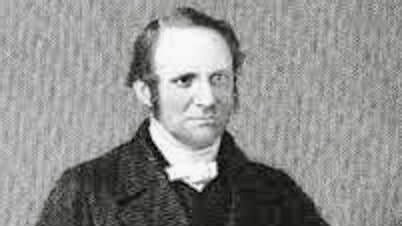
Among the early Protestant missionaries to India, Anglican Thomas Gajetan Ragland stands out as a striking example of sacrificial gospel ministry. He arrived in South India in 1846 under the Church Missionary Society, and in the years that followed he became burdened for the largely unreached villages of North Tinnevelly in present-day Tamil Nadu. Rather than remaining in established urban centers, he longed to go from village to village, preaching Christ where he had not yet been named.
In 1854, Ragland and his co-workers began the work that became known as the North Tinnevelly Mission. Their evangelistic labor was marked by itinerant preaching, discipleship, prayer, and patient gospel witness among rural communities. Ragland endured weakness, illness, repeated interruptions, and severe hardship, yet he persevered until his death in 1858 at the age of 43. Though his ministry was short, its effects were lasting.
What made a ministry like Ragland’s so effective? Was it strategy, resources, or something deeper? Scripture leads us to something deeper.
Our Lord Jesus Christ has given clear instruction to His people. Two of the most central commands are what we call the Great Commandment and the Great Commission. The Great Commandment teaches us to love the Lord our God with all our heart, soul, strength, and mind. The Great Commission calls us to make disciples of all nations.
Ragland summarized his understanding of missions in three lessons:
- Of all qualifications for mission work—and every other work—love is the greatest (1 Corinthians 13).
- Of all methods of attaining usefulness and honor, the only safe one is to purge our hearts of worldliness and selfishness (2 Timothy 2:21).
- Of all plans for ensuring success, the most certain is Christ’s own plan: becoming like a grain of wheat that falls into the ground and dies (John 12:24).
This is precisely what Jesus Christ did. He laid down His life and set aside earthly honor. He went throughout the land ministering to men and women, taking little children into His arms, and disregarding worldly measures of importance. He lived for others and in perfect obedience to the will of His Father. In the end, He gave His life.
Yet in giving His life, He took it up again. His risen life has been seen in the lives of His people throughout the ages, as men and women from every nation have received His gospel and followed Him.
Christ was moved by love. He lived in perfect devotion to the Father and in self-giving mercy toward others. In His death, He secured life for His people.
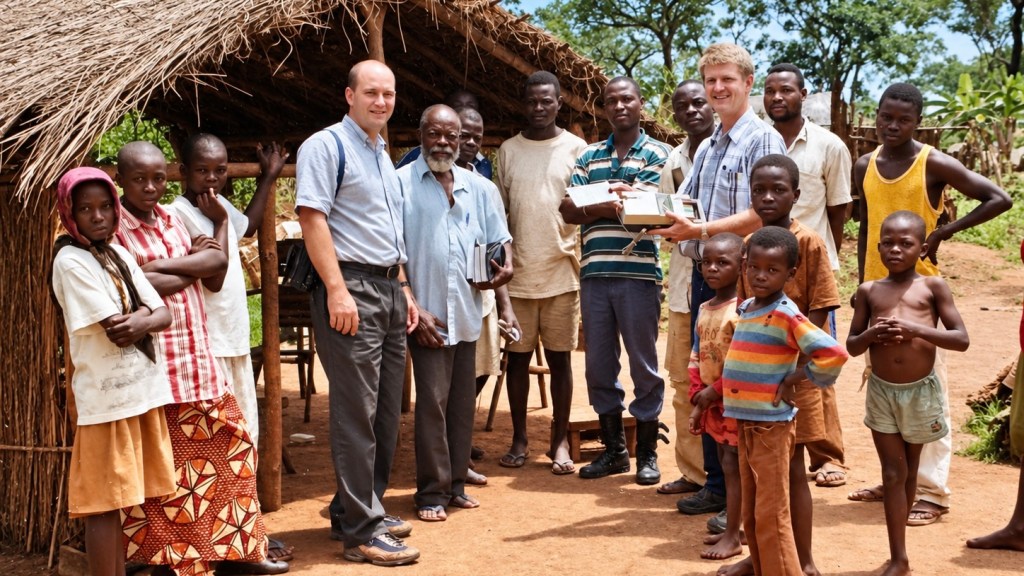
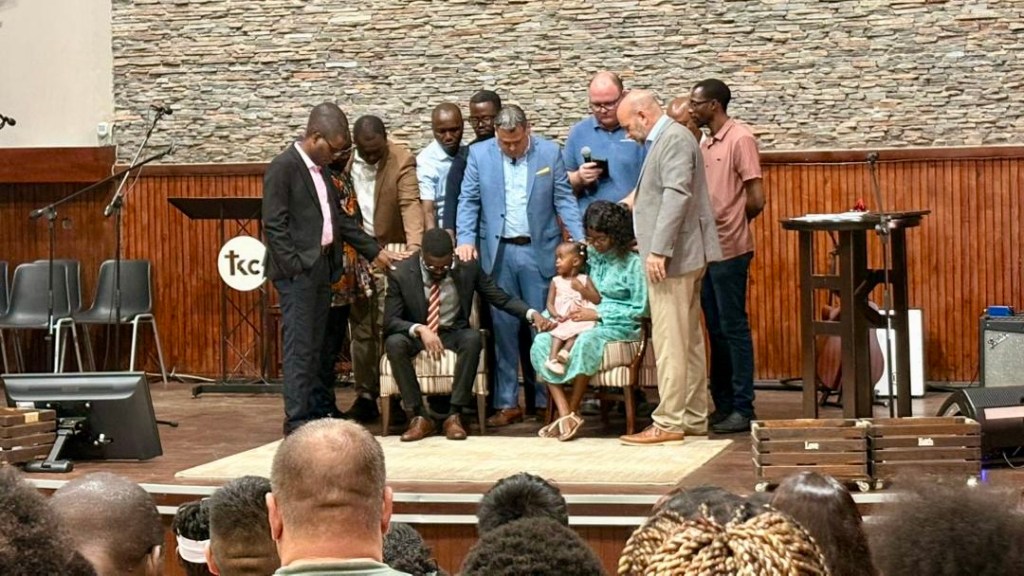
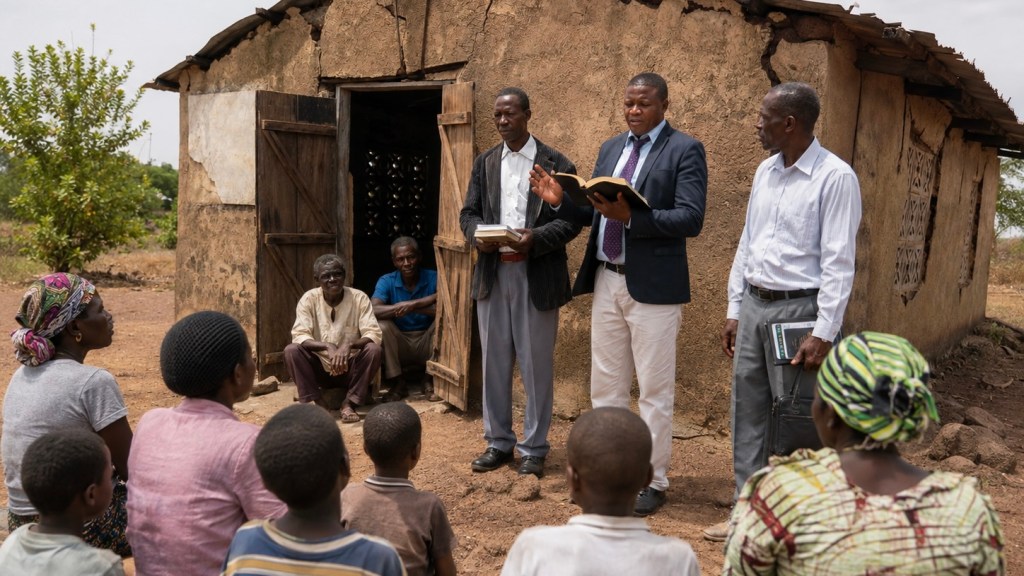
And now Jesus has commissioned us—you and me—to go with His love and the message of His life to the nations. We are invited to take part in God’s mission by praying, giving, and going with the gospel. We pray that God will use Kitwe Church as a base from which the good news of Jesus is sent to people who have never heard His name.
May the Lord be pleased to use us—not merely to admire missions, but to take our place in His mission.


Leave a Reply