

A biblical theology and philosophy of missions tells us what we are called to do. A discussion on church-to-church collaboration addresses the how: how do churches work together to take the gospel to places they cannot reach on their own?
Every church-planting effort aims at the same goal: a self-governing, self-supporting, self-propagating, and self-theologizing local church — that is, a church able to lead itself, fund itself, reproduce itself, and think biblically for itself, without permanent dependence on outside help. Collaboration between churches is the means by which this kind of healthy, reproducing church gets planted in communities that they cannot reach on their own.
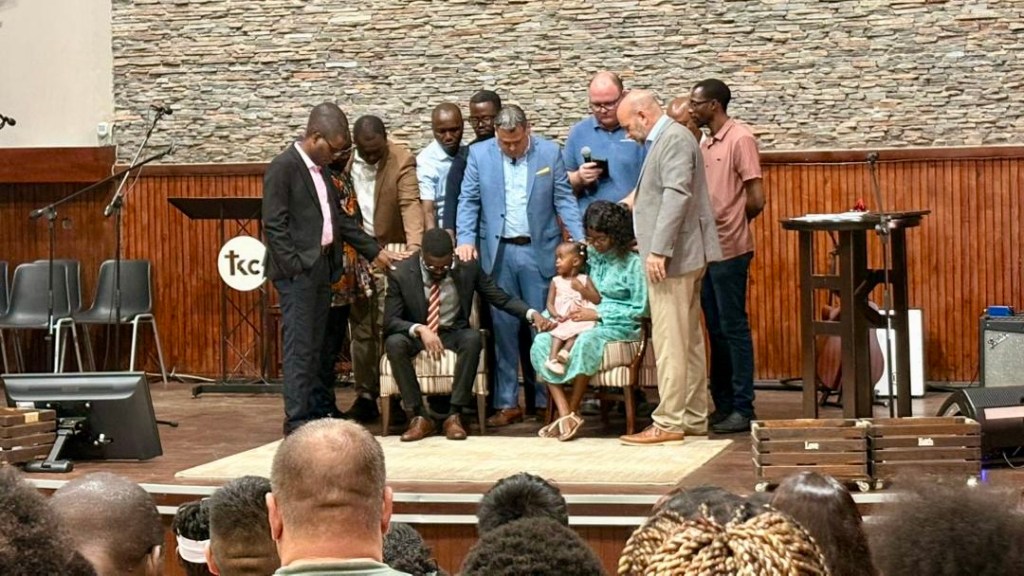
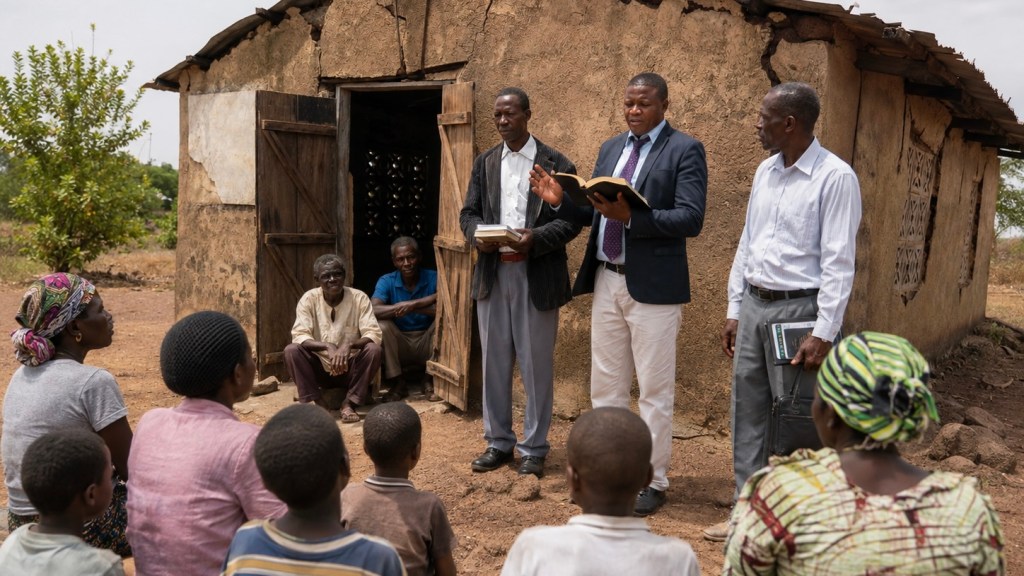
The New Testament does not describe lone missionaries or churches that go it alone. From the beginning, the early church sent out planting teams, received them back, prayed for them, supported them financially, and held them accountable. The church at Antioch sent Paul and Barnabas (Acts 13:1–4); the church at Philippi supported the work with their giving (Phil. 4:14–17). Collaboration is not a pragmatic accommodation to limited resources. It is the biblical pattern.
Collaboration, defined: the act of two or more parties working together toward a shared purpose, each contributing distinct resources, gifts, or responsibilities, under mutual accountability, to accomplish what neither could as effectively alone.
Core conviction: Churches plant churches. Collaboration between local churches is not an optional extra — it is the means God has ordained for the gospel to reach the uttermost parts.
Recently I was asked to speak on Collaborative Church Planting at a Church Planting Seminar sponsored by Africa Revitalization Centre (ARC) in South Africa. Here is a free PDF download in booklet form of the information that was shared. I pray it will encourage thoughtful discussion and that the Lamb will receive His reward through gospel-proclaiming churches in every village, town, and city across Africa.




Leave a comment