
Context
This letter, written to the missionary team serving together in 2008, addressed concerns that we were indigenizing Central Africa Baptist University (CABU) too quickly, with emerging leaders making decisions that differed from those of Western missionaries.
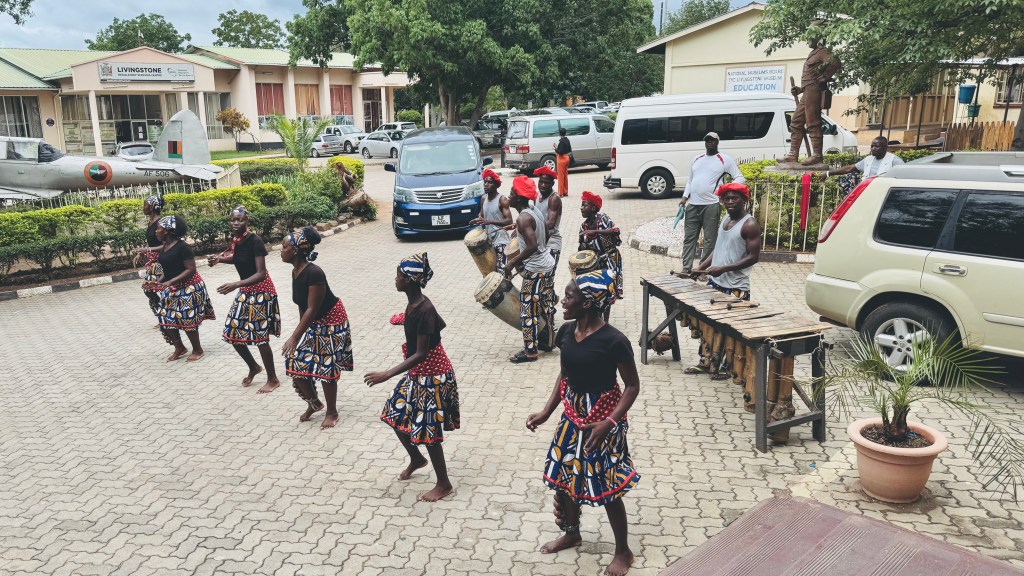
These brothers’ concerns stemmed from a genuine desire for God’s glory, but they were shaped by Western cultural assumptions—particularly a narrow view of music. They viewed clapping, movement in worship, or percussion as theological compromise.
My response explained our philosophy of raising leaders and trusting God in the process. While there was a specific preference being addressed, the response is applicable in principle. It is at this point that many Western missionaries have erred, thus producing weak leadership and ministries that are so “Western” that local leadership will find it impossible to transition into leadership in a healthy way. I have witnessed local leaders who still use the missionary preferred version of the Bible (usually the KJV) two decades after the missionary has left the ministry.
Our Purpose and Philosophy
At CABU, we train a generation of African servant-leaders to fulfill the Great Commission and spark an indigenous church-planting movement across the continent.
We intentionally equip “leaders of leaders” in an environment committed to Scripture’s authority, passionate for God’s glory, and focused on gospel advance.
The future of the gospel in Africa rests with these men we mentor. Thus, they must wrestle with applying biblical principles in their own context, and we do them a disservice to burden them with our Western applications to biblical principles.
The Case for True Indigenization
True indigenization shifts leadership from outsiders to Africans, who best understand their culture. Determining biblical applications in a specific time and place demands sanctified, insider discernment. Our task is to ensure that local leaders are deeply grounded in the fundamental precepts of Scripture, submitting to the authority and sufficiency of those Scriptures, then trusting the God who sacrificed His Son for the building of His church to lead these men to apply the unchanging principles of Scripture to their context.
We aim not to plant Western churches in Zambia, but biblically sound, gospel-preaching Zambian ones. God-centered worship flourishes under godly African leaders trained in Scripture, who grasp both timeless truths and timely cultural applications. We trust God to work through His Word and servants for His glory.
Our Commitment
We are committed to developing this African leadership, walking with them in mutual love, respect, and submission. Administratively, we reserve the right to override committee decisions if needed—but we will only do that if absolutely necessary, and carefully involve the committee in addressing concerns.
It is a privilege to train and partner with Africa’s next generation of servant-leaders. May God be glorified through the indigenous spread of the gospel across the continent.


Leave a Reply