
A Biblical Vision for Planting Healthy Churches in Africa
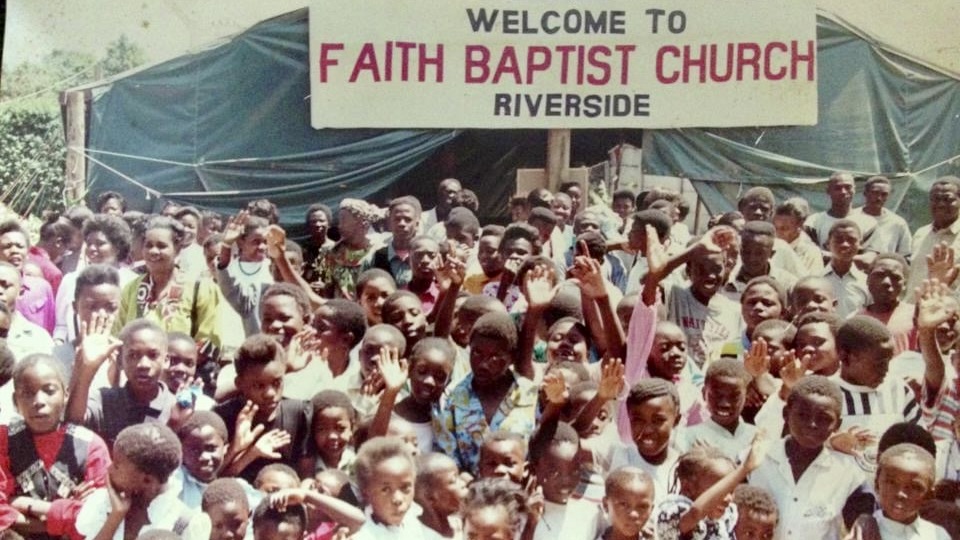
Across Africa, the great need is not for more gospel activity, but for churches that are healthy, mature, and able to reproduce themselves. If missions is to be faithful to Christ’s Commission, we must aim at planting local churches that will evangelize the lost, disciple those who believe, and send new workers into the harvest.
1. The Singular Goal of Long-Term Mission Work
Long-term missionary service must have as its singular goal the planting of healthy, reproducing local churches. There is no other endgame, for this is God’s means of glorifying Himself both now and throughout eternity by the praises of His people who are called out of every tribe, tongue, and nation (Revelation 7:9–10).
Missionary, stay until you have accomplished the establishment of a healthy, reproducing church that builds itself up in love (Ephesians 4:15–16). This assumes the successful development of leadership through and for the local church. That is your one ministry goal (Matthew 16:18).
“I will build My church, and the gates of hell shall not prevail against it.” — Matthew 16:18
2. The Biblical Criteria for Mission Work
The biblical criteria for mission work are clear: initial evangelism must lead to the planting of new churches (Acts 14:21–23). These churches must then provide a nurturing environment for Christians to grow and mature in their faith. The church should identify and train leaders who will be responsible for evangelizing and planting new churches (Acts 13:1–3; 14:21–23), as well as pastoring and guiding believers (1 Peter 5:2) and training additional leaders (2 Timothy 2:2).
The Great Commission of Matthew 28:18–20 frames the entire scope of this task. The “Go” of Matthew 28 is the “Sent” of Acts 13:5. As we go, three things must happen simultaneously: we preach the gospel boldly, calling men and women to repentance and faith (Mark 1:15; Romans 10:14–17); we teach all who believe to obey Christ through intentional, life-on-life discipleship (2 Timothy 2:2); and we incorporate them into the life of the local church through baptism, where disciples are held accountable and grow toward maturity (Acts 2:41–42, 47). Anything less than this is not biblical missions.
“The true target of the Great Commission is the establishment of local churches… We must win people to Christ, but the Great Commission starts, not stops, there.” — David Doran, For the Sake of His Name
3. The Danger of Shallow Evangelism
There is deep concern with mission strategies that elevate evangelism as the supreme and final goal of missionary work. Decisionalism in Africa has long made it a habit of abandoning professing converts without doing the hard work of teaching and incorporating them into local churches. This approach leaves generations without a clear grasp of the true gospel and without the nurture they need to grow into mature disciples.
Consider the sobering analogy: what responsible parent would bring a child into the world and leave it to fend for itself? Such actions would be a tragic failure of responsibility at best. Yet this is precisely what happens when new Christians are abandoned after a short evangelistic campaign. Immature Christians form unhealthy churches, and unhealthy churches never reproduce themselves. Undiscipled people do not pass on their faith, and the generation after them often turns away from it entirely.
Van Rheenen correctly diagnoses the core failure: “Missionaries are teaching others but not training their converts to become reproductive; they are initiating churches but not preparing leaders of those churches to plant other churches.” Our mission success must be evaluated not merely on converts won, but on churches planted that plant other churches.
4. What It Takes to Develop Strong, Healthy Churches in Africa
Developing a strong and healthy church in Africa requires accomplishing three major tasks: initial evangelism must lead to the planting of new churches; Christians must be nurtured to maturity within those churches; and leaders must be identified and trained to evangelize, plant other churches, pastor and shepherd believers, and train the next generation of leaders.
Theology and strategy must work together. Great theology with poor practice and unclear vision leads to failure. Sound doctrine alone will not necessarily grow a healthy, reproducing church — the ecclesiastical landscape is filled with churches that are doctrinally accurate but spiritually dead. Likewise, no strategy can compensate for wrong doctrine. We must pursue sound doctrine without neglecting wise strategy (Ephesians 4:11–16).
An important strategy for nurturing a new church is introducing church-planting DNA from the very beginning. People should know from the start that the expectation is to grow to maturity in order to reproduce. Reflect the priority of church planting in the budget from day one.
5. The Peril of the Inward-Focused Church
When churches become inward-focused — and some begin that way — they spend all their energies and finances expanding ministry among themselves. This view of church growth focuses on drawing more and more people into a single congregation, which results in more and more resources being consumed to serve and house that congregation rather than being spread out by planting new ones. This often leads to the slow death of missionary work.
“As congregations become more ingrown, they become less effective in evangelism and discipleship, resulting in fewer converts, increasing pessimism about giving up resources for church planting, and growing distance from the culture around them.” — David Doran
Local church programs and facilities are scaffolding — they support the building up of the body to take the gospel to the next towns. When missionaries fail to use reproducible strategies, whether by investing in a building indigenous people cannot afford to maintain, installing equipment beyond local capacity, or developing programs the mature congregation cannot sustain, they send a subtle but devastating message: the local congregation cannot plant churches on its own.
6. Leadership Development Is Non-Negotiable
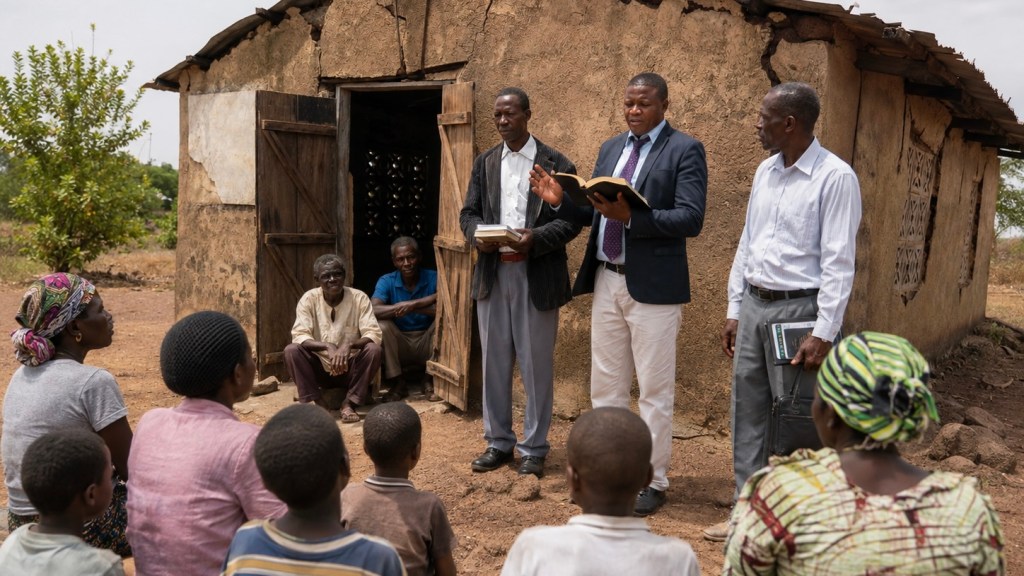
If we are to see healthy, reproducing churches across Africa, leaders must receive training in evangelizing, planting churches (Acts 13–14), shepherding believers (1 Peter 5:2), and developing other leaders (2 Timothy 2:2). Such training can be formal in a classroom setting, non-formal through on-the-job internships, or informal through local church ministry participation. Teachers must serve as models; you reproduce what you are, and you can only lead where you have been.
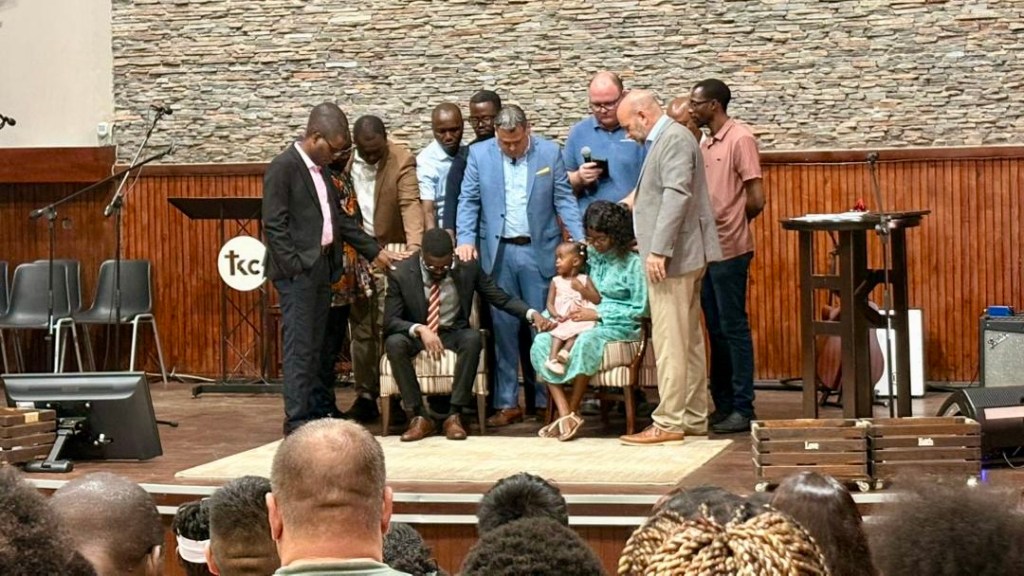
God’s church is built with the assumption that leaders will be raised within it. As pastors move on, there should already be elders in place who can continue the work. Investing in raising leaders with a heart and passion for ministry guarantees a continual flow of competent workers whom God will burden and the church will support. These are the men who should be sent to start Bible studies, plant churches, and pastor congregations.
A missionary’s task ultimately is to raise up godly, competent leaders for God’s work — and then hand off to them.
“A work originated by God and conducted on spiritual principles will surmount the shock of a change of leadership and indeed will probably thrive better as a result.” — J. Oswald Sanders, Spiritual Leadership
7. The Self-Propagating Church
The church is a living organism — the body of Christ — and every living organism will, by its very nature, reproduce itself. During the church planting process, extreme care must be taken to empower trained, qualified leadership within the assembly to minister, participate in decision-making, and assume financial responsibility for the new work. Special care must be taken not to do for the infant church what they can and should do themselves. To do so discourages participation and makes it appear that the ministry is a missionary effort rather than the offspring of a mature sending church (1 Thessalonians 2:1–13; Ephesians 4:15–16).
Missions is the mark of a healthy church. A mature, healthy local church will reproduce itself. The pastor or missionary church planter has two primary responsibilities: first, preaching the gospel and discipling new believers; and second, mentoring and training passionate men to become gospel ministers. Ultimately, a healthy church reproduces itself through the planting of other healthy churches, fueled by deep confidence in the One who promised to build His church against all opposition (Matthew 16:18).
8. Stay the Course
During pilot training, an instructor once emphasized the importance of staying on course: even the slightest deviation could lead to a significant departure from the target destination. The same principle applies to church planting missions. Often the discussion centers around financial issues, but the primary problem in the African church is a lack of leadership with a clear vision of their God-given assignment.
As Africa’s population doubles in the coming years, towns and cities across the continent will also double in size. The rate of church planting is not keeping pace with the need. There is an urgent call to train and send church planters to these new and growing communities (Romans 10:14–17; Acts 13:1–3).
For the gospel to advance, we must pray and labor for healthy, reproducing churches. African church planters must be equipped to go with the gospel, sent by African churches that sacrifice to carry the good news to communities that do not yet have a healthy church. If the gospel is not sent by the church and boldly proclaimed by faithful disciples, men and women will never come to the knowledge of Jesus (Romans 10:14–17).
“Only be strong and very courageous, being careful to do according to all the law that Moses My servant commanded you… that you may have good success wherever you go.” — Joshua 1:7
Stay the course, brothers.

 Zambia Hunt
Leave a comment