
Across Africa today, the gospel is advancing with a quiet, steady strength. Churches are being planted, leaders are being trained, and communities are being transformed by the Word of God. But the advance of the gospel has never come without opposition. Sometimes that opposition is subtle; at other times, it is direct and costly.
In recent months, our brothers and sisters in Rwanda have entered a season of deep trial, one that calls the entire Body of Christ to prayer, solidarity, and biblical hope.
A Crisis Few Are Talking About
A friend from Rwanda shared with me the reality his church and many others are facing. His words are sobering:
“Since June of last year, the Rwandan government has closed over 70% of churches, revoking their licenses and prohibiting them from gathering or carrying out any ministry activity, including Sunday worship, baptism, and the Lord’s Supper.”
Publicly, these closures have been linked to a sweeping set of new regulations. But as he explains, the requirements placed on churches are far beyond what most congregations anywhere in Africa could reasonably fulfill:
- Pastors must possess at least an undergraduate degree in theology
- Churches must have a minimum of 1,000 registered members
- Buildings must meet high, often commercial-level structural standards
- Churches must provide parking for at least 100 vehicles—requirements nearly impossible in communities where few people own cars
These standards alone would cripple thousands of churches across the continent.
But an even deeper concern has emerged. As my friend reports:
“…a recent statement from the president emphasized that the issue goes beyond regulations, framing it as a need to protect the nation from ‘colonialist brainwashing’ associated with Christianity.”
This is no longer just a logistical challenge. It is an ideological one.
A Church Closed for a Year
This friend went on to describe what this means for his own congregation:
“Our church has now been closed for a full year… The government did not give us a list of what we lacked, so we did our best to anticipate the requirements and began working immediately.”
This faithful congregation bought land, upgraded their buildings, added safety features, installed CCTV, modernized their campus, and even constructed a kindergarten at their own expense.
Yet even after completing every possible improvement:
“Months have passed since this work was completed, yet we still have not been allowed to reopen.”
“We must gather every Sunday in different locations. We cannot sing hymns, we only read them. We hide our Bibles when entering these places. It has now been a full year since we last partook of the Lord’s Supper together as a congregation.”
This is the cost of following Christ in Rwanda today.
A Revealing Moment in National Leadership
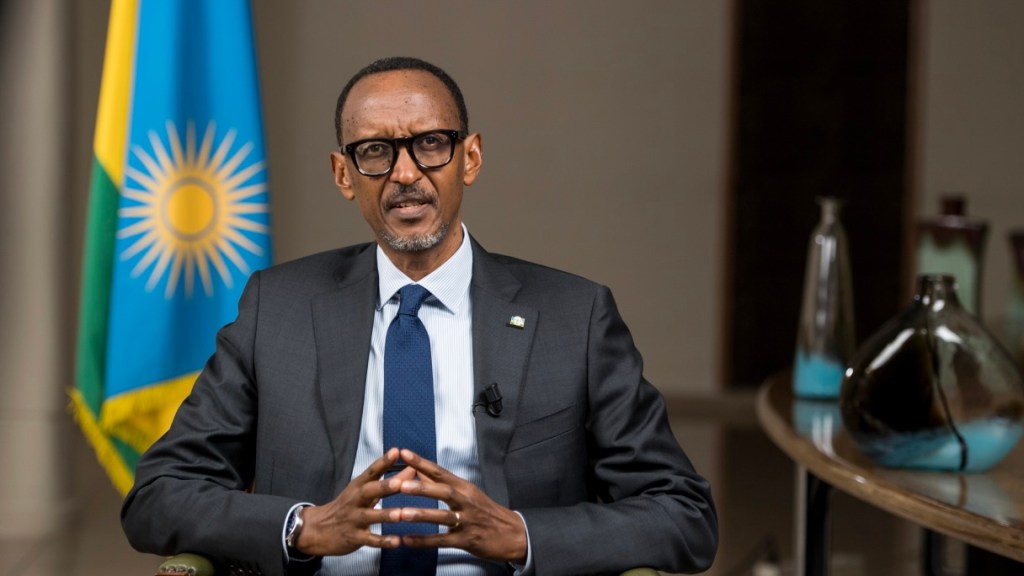
In a recent interview, the President was asked why even compliant churches have not been permitted to reopen. His reply was even more revealing than the question:
“If it were for me, I would not open a single church […] Are they offering jobs? Most of them are peddling thievery. To me, it is only hypocrisy and constant fighting that I see in churches.
I have no sympathy for them at all. You colonists have been brainwashed, and you have been ruined.”
This is not primarily about buildings. Or parking spaces. Or degrees.
It is about whether the church has the right to exist.
And yet, as my friend rightly notes:
“Historically, the church has done immense good in Rwanda; building schools, hospitals, and shaping moral character… To claim Christianity is merely a colonial deception, while at the same time benefiting from many Western developments that arose from Christian influence, is contradictory.”
He goes on to highlight the growing ideological shift:
“It is evident that some of the ideas being used now mirror approaches seen in China and are slowly being adapted to Rwanda’s context.”
Even more troubling is the contradiction between these actions and Rwanda’s own constitution:
“The right to religion and freedom of worship is guaranteed by Article 37… Regulating doctrine—whether good or bad doctrine—is not the role of the government unless it involves criminal activity.”
Yet the Church Belongs to Christ
The situation is dark, but not without hope.
Throughout Scripture and history, the church has often shined brightest when pressed hardest. When earthly powers attempt to silence the gospel, the Spirit strengthens His people, and the Word runs swiftly.
Christ Himself promised, “I will build My church, and the gates of hell shall not prevail against it” (Matt. 16:18). Rwanda’s church belongs to Jesus, not to earthly authorities.
Now is the time for us, as their brothers and sisters, to stand with them in prayer.
How You Can Pray for Rwanda
Here are specific requests, and I share them here exactly as he wrote them:
1. Bold Obedience
“Pray that believers and church leaders will have courage to obey God faithfully, even when pressured to remain silent.”
2. Comfort in Persecution
“Ask the Lord to strengthen and comfort His people as they walk through genuine hardship and loss.”
3. Purification of the Church
“Pray that God uses this season as a refining fire revealing true believers, strengthening commitment, and purifying His church.”
4. Softened Hearts of Leaders
“Pray that God would turn the hearts of government leaders, granting them humility, understanding, and favor toward the church.”
5. Endurance and Perseverance
“If this pressure continues, pray that Christians will endure faithfully, fixing their hope on the return of Christ.”
Will You Join Me and Stand With Rwanda?
Our Rwandan brothers and sisters are not asking for political advocacy. They are not calling for international outrage. They are asking us to pray.

 Zambia Hunt
Leave a reply to A La Carte (December 10) | Tim Challies Cancel reply