
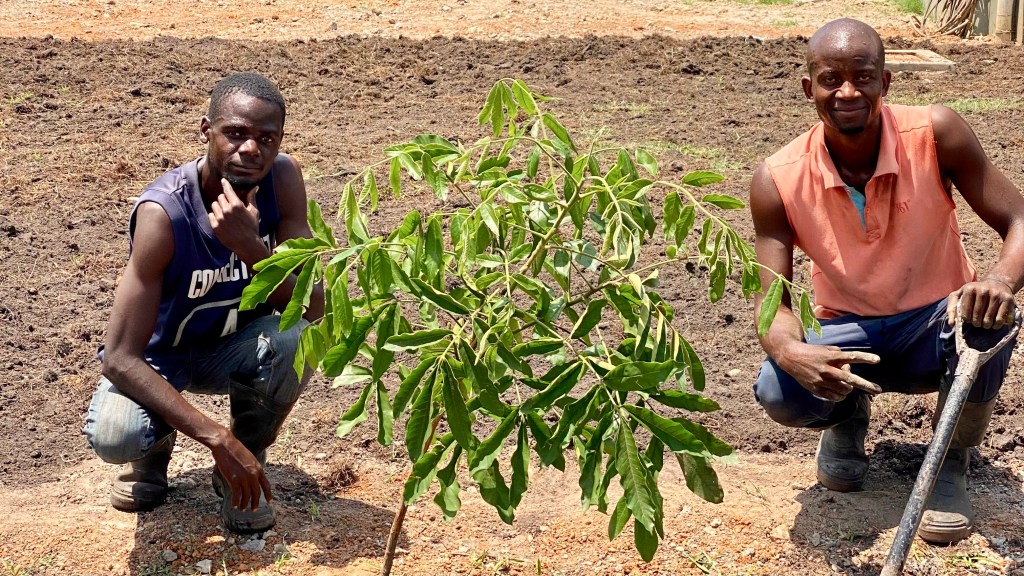
“Pruning is a process of proactive endings.”
In John 15:1-8, Jesus provides a powerful metaphor of God as the master gardener, carefully tending to His vineyard. The work of pruning requires knowledge, wisdom, and courage – dead branches are trimmed away, and unfruitful ones are cut back to allow healthy branches to flourish with greater fruitfulness.
This biblical principle of pruning has profound applications for ministry leadership, particularly at institutions like the Central Africa Baptist University (CABU). At its core, pruning is a proactive process that requires making difficult but necessary decisions for organizational health.
True leadership demands courage in stewarding the vision. Leaders must be proactive in evaluation and pruning, addressing situations where team members either don’t share organizational values or fail to embrace the vision. This isn’t merely about maintaining standards – it’s about fostering genuine discipleship. Being positive means doing what’s best for both the ministry and its people, which sometimes requires identifying areas where individuals need to improve to glorify God and accomplish His mission.
Unfortunately, some leaders avoid these difficult conversations out of fear – fear of consequences, of being disliked, or of confrontation. But this avoidance isn’t leadership; it’s cowardice. True leaders remain passionately committed to the vision, understanding that periodic pruning is essential for organizational health and mission fulfillment.
The pruning process typically yields two distinct outcomes. Some respond with humility, deeply examining their failures or areas of needed growth, owning their mistakes, and actively seeking improvement. Others react with bitterness, responding in anger, creating confusion, or speaking ill of the organization. Ironically, this latter response often confirms the necessity of the pruning decision, revealing a misalignment with organizational values and mission.
The real test of character isn’t how someone behaves when supervisors are present or circumstances are favorable, but rather their response to adversity and disappointment. Do they respond with honest humility and submission, or do they deny responsibility and deflect blame?
At CABU, we recognize that some individuals may align with our vision and values but lack the competency for their assigned roles. While we care deeply for everyone, we must help each person grow and avoid complacency. The CABU spirit requires humility, servanthood, brokenness, and sacrifice. Our core values – honesty, obedience, wisdom, and service – must be more than just words on a page; they must be lived out daily.
Those who consistently display negative attitudes, laziness, or poor team spirit will struggle to succeed in this environment. Instead, our culture should exude joy, excitement, and thankfulness for the opportunity to participate in this challenging yet remarkable ministry, training the next generation of servant leaders in Africa for Great Commission living.
Moving forward, we’re implementing a three-year evaluation plan that will provide specific feedback to each employee based on measurable goals and clear job expectations. These evaluations will encompass not only work performance but also character development and servant leadership – because at CABU, we’re not just building an organization; we’re cultivating leaders who will transform communities through the power of the Gospel.
Pruning, while sometimes painful, is ultimately an act of love – love for the mission, love for the organization, and yes, love for the individuals involved. Through this process, we create space for new growth, greater fruitfulness, and the flourishing of God’s kingdom work in Central Africa and beyond.




 Zambia Hunt
Leave a reply to Bickson Cancel reply