
Acts 6.1-7
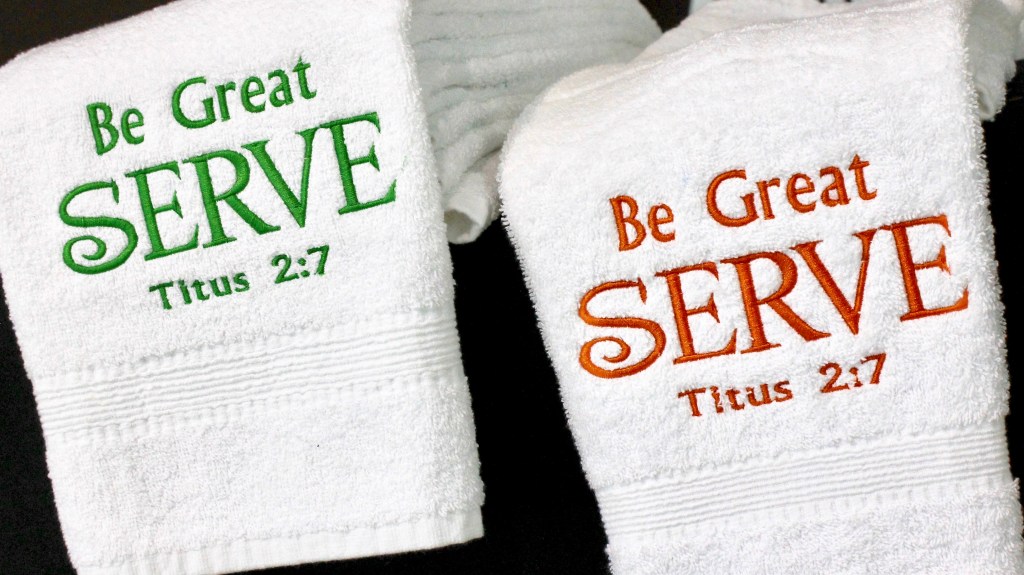
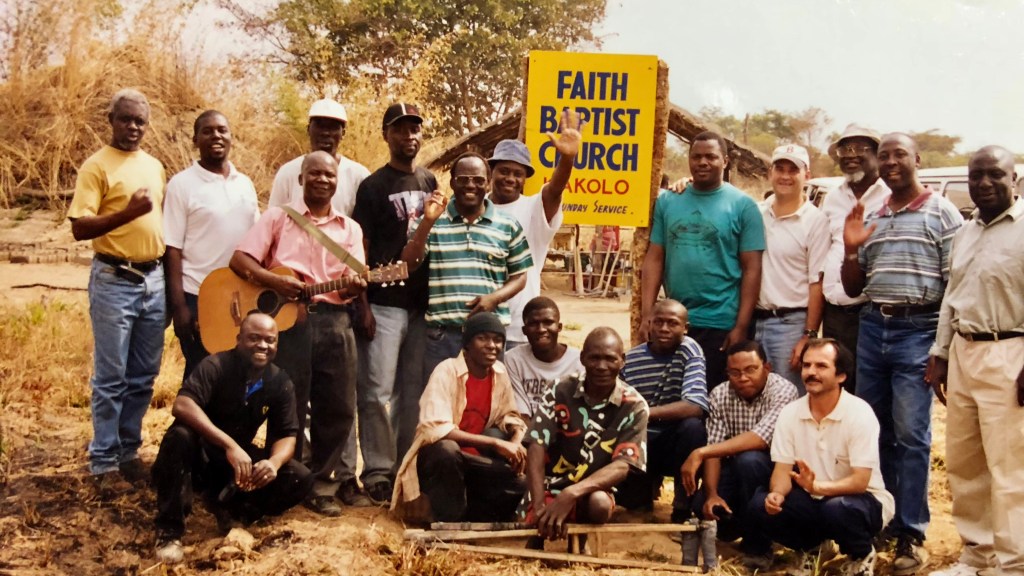
What does a leader look like? In a traditional Zambian court, observers once noticed that a chief’s advisor looked more like a chief than the actual chief himself. This illustrates a profound truth: leaders don’t fit a particular mold or necessarily hold specific titles. They come in all shapes and sizes. The one distinguishing mark of leadership is influence – the power to affect others’ thinking or actions through argument, example, or force of personality.
As President Truman once observed, “A leader is a person who has the ability to get others to do what they don’t want to do and like it.” This capacity for positive influence becomes critically important in church growth, whether leading choirs, children’s classes, or entire congregations.
When Growth Creates Challenges
The early church faced a critical leadership challenge when rapid growth led to overlooked needs within the congregation. Cultural prejudices emerged, and cliques formed. Some Greek-speaking widows were being neglected in the daily distribution of food, while Hebrew-speaking widows received care (Acts 6:1).
This crisis provides timeless insights about servant leadership in the local church.
The Leadership Response
The apostles’ handling of this situation offers a masterclass in servant leadership. They drew wisdom from Moses’ experience, who had learned from his father-in-law that going alone isn’t good (Exodus 18:17). Just as Moses appointed capable, God-fearing men to serve who loved truth and hated dishonest gain (Exodus 18:21), the early church needed appoint deacons to expand its leadership base.
The apostles recognized three key principles:
First, they couldn’t meet every need alone (6:1). As church growth accelerates, leadership must expand. This isn’t a sign of failure but of healthy growth.
Second, they needed to involve the congregation rather than making unilateral decisions (6:2-3). Notably, they didn’t refer the problem to some distant headquarters but engaged the local body in the solution.
Third, they maintained clear priorities. “It would not be right for us to neglect the ministry of the word of God in order to wait on tables,” they said (Acts 6:2). The primary call of pastoral leadership remains prayer and teaching God’s Word. As Paul would later write, leaders must “keep on” without letting up (1 Corinthians 15:58, 2 Timothy 4:2).
The Profile of a Servant Leader
The apostles outlined five essential characteristics for these new leaders:
- They needed to be believers from within the congregation – a practice that promotes discipleship ministry (Ephesians 4:11-13).
- They had to have good reputations – character beyond reproach. As Paul would later elaborate in 1 Timothy 3:8-13, leaders must be:
- Blameless in personal character
- Blameless in spiritual life
- Blameless in Christian service
- Blameless in moral purity
- Blameless in home life
- They needed to be “full of the Spirit” – evidencing the fruit of Spirit-controlled lives (Galatians 5:22-23).
- They needed wisdom – not just biblical knowledge but the practical ability to apply biblical truths to everyday situations. As Paul prayed for the Colossians, they needed to be “filled with the knowledge of His will in all wisdom and spiritual understanding” (Colossians 1:9).
- Like the sons of Issachar, they needed to understand their times and know what to do (1 Chronicles 12:32).
The Impact of Servant Leadership
The results were remarkable. Instead of splitting the church, this crisis led to multiplication. The Word of God increased as the apostles focused on prayer and teaching. The church grew as love and humility prevailed. Even many priests – perhaps the least likely converts – embraced the gospel (6:7).
Consider two of these newly appointed leaders:
- Stephen helped spread the gospel beyond Jerusalem; the persecution following his martyrdom actually propelled the church’s expansion
- Philip took the gospel to Samaritans and an Ethiopian official, expanding the church’s cultural boundaries
Leadership for Today’s Church
These principles remain vital for modern churches. True servant leadership:
- Recognizes and develops new leaders
- Maintains clear ministry priorities
- Values character above capability
- Seeks Spirit-led wisdom
- Keeps the gospel central
The early church teaches us that effective leadership isn’t about looking the part or holding titles. It’s about spirit-filled believers serving with integrity, wisdom, and faithful devotion to God’s Word. As Paul would later warn, we must “not lay hands on anyone hastily” (1 Timothy 5:22) – choosing leaders requires careful discernment.
The question isn’t whether you look like a leader, but whether you’re becoming a person of good reputation – someone marked by integrity, faithfulness, and trustworthiness. Are you willing to let God develop these qualities in you? The church’s effectiveness often rises or falls on this question.



 Zambia Hunt
Leave a reply to The Unexpected Face of Leadership: Lessons from the Early Church – Christianity House Cancel reply