
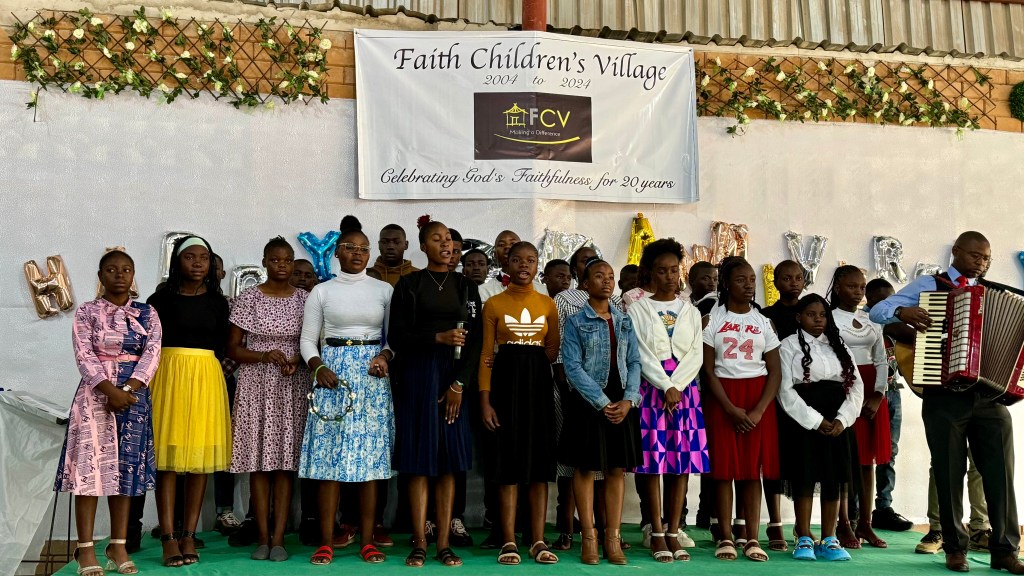
As someone deeply involved in orphan care ministry in Africa, I’ve observed numerous misconceptions held by well-meaning individuals and organizations from the West. While the desire to help is commendable, these misunderstandings can sometimes lead to approaches that are ineffective or even harmful in the African context. Let’s examine some of these false understandings and shed light on the realities of orphan care in Africa.
Misconception 1: Orphanages are the Best Solution
Many Westerners assume that building and supporting orphanages is the most effective way to care for orphans in Africa. However, this approach often fails to consider the cultural context and can create more problems than it solves. I’m obviously not against having an orphanage in Africa, I serve on the board of Faith Children’s Village Orphanage, but am concerned in the way that many operate.
Reality: Orphanages are actually unknown in traditional African culture and remain a foreign concept. The African answer to the needs of orphans has historically been rooted in family and community care. The concept of a near-kinsman means that a child belongs to the family and ultimately to the village. In fact, in some Zambian languages, there isn’t even a word for “orphan” because the community assumes responsibility for these children.
Moreover, many orphanages in Africa have unfortunately become money-making ventures driven by selfish agendas rather than the best interests of the children. The Zambian government has intervened to shut down a number of orphanages in recent years through enforcing regulatory standards. These institutions can sometimes do more harm than good by separating children from their communities and cultural roots.
Misconception 2: Western Solutions Can Be Directly Applied to African Problems
There’s often an assumption that strategies and models that work in Western countries can be directly transplanted to Africa with the same effectiveness.
Reality: Our answers must be culturally sensitive and appropriate. As foreigners, we may be able to love and train orphans in Africa, but our expressions of love and training are often in line with Western cultural thought. This can create a disconnect between the care we provide and the cultural context these children will eventually need to navigate.
It’s crucial to learn and understand African culture, social customs, and context. This knowledge is vital for helping orphaned children integrate back into their communities as productive citizens.
Misconception 3: Providing Material Support is Enough
Many Western efforts focus primarily on meeting the physical and material needs of orphans, assuming this is sufficient.
Reality: While meeting physical needs is crucial, we mustn’t neglect the emotional and spiritual dimensions of care. The concept of the “Orphan Heart,” as described by Keith McFarland of New Hope Uganda, highlights the deep emotional and psychological challenges that orphans face (I’ll write about this in a future post). These include feelings of abandonment, loneliness, rejection, hopelessness, and loss of identity.
Our care must address these deeper issues, helping children understand and experience the Fatherhood of God as the ultimate answer to the orphan heart.
Misconception 4: The Local Church Plays a Secondary Role
Sometimes, Western organizations assume they need to take the lead in orphan care, viewing the local African church as a secondary partner or beneficiary.
Reality: Our answers must include and empower the local church in Africa. The local church has a vital role to play in addressing the orphan crisis. As Pastor Saidi Chishimba suggests, churches need to view orphans in their communities as a mission field, approaching them with the same vigor as other evangelistic efforts.
The local church can open homes to orphans, partner with existing care programs, prioritize orphan ministry, develop discipleship programs, and advocate for orphans’ needs within the broader community.
Misconception 5: Short-Term Solutions are Sufficient
There’s often a focus on short-term interventions or “quick fixes” to the orphan crisis.
Reality: Our answers must provide long-term solutions. While immediate action is often necessary, we need to think beyond short-term fixes. We should focus on solutions that strengthen families and communities, address root causes of the orphan crisis (such as HIV/AIDS and poverty), and provide sustainable support systems.
Conclusion
Addressing the orphan crisis in Africa requires a nuanced understanding of the cultural, social, and spiritual dynamics at play. By challenging these Western misconceptions, we can work towards more effective, culturally appropriate, and sustainable solutions.
Our approach should be:
1. Biblically grounded
2. Focused on long-term, sustainable solutions
3. Driven by a gospel focus that includes both physical care and spiritual nurture
4. Inclusive of and empowering to the local African church
By working together – foreign aid organizations, local churches, and African communities – and being willing to challenge our assumptions, we can provide more effective care and hope for Africa’s orphans.





Leave a Reply