
In the annals of Christian history, the Apostle Paul stands out the most effective and influential missionary that has ever lived. His strategic approach to spreading the Gospel offers valuable insights for modern mission strategy. By examining Paul’s methods, we can glean important lessons for our own efforts to share the message of Christ.

At the heart of Paul’s strategy was a focus on strategic urban centers within a region (Romans 15:17). He targeted areas of economic and educational influence, such as metropolitan hubs like Thessolonica, Philippi, Ephesus, and Corinth. Paul understood a crucial principle: influence, like water, flows downhill. By concentrating on these urban centers, he leveraged existing social structures and relationship networks to spread the truth more effectively.
Paul’s approach within these urban centres was to begin with those who had a closer understanding of the theological concepts he was presenting and then work outward to those with less foundational knowledge. This strategy aligns with the idea proposed by some missiologists, like Don Richardson (author of Peace Child), that within every culture, there are aspects that point to the truth of the Gospel. Let me be clear, I am not advocating the “Person of Peace” idea that is popular today. Typically, Paul would start in synagogues (Acts 18:19), as he did in Corinth, or with God-fearing people, like the Jewish ladies he met by the river in Philippi. He also preached in the Agora (marketplace) and worked along established lines of relationship.
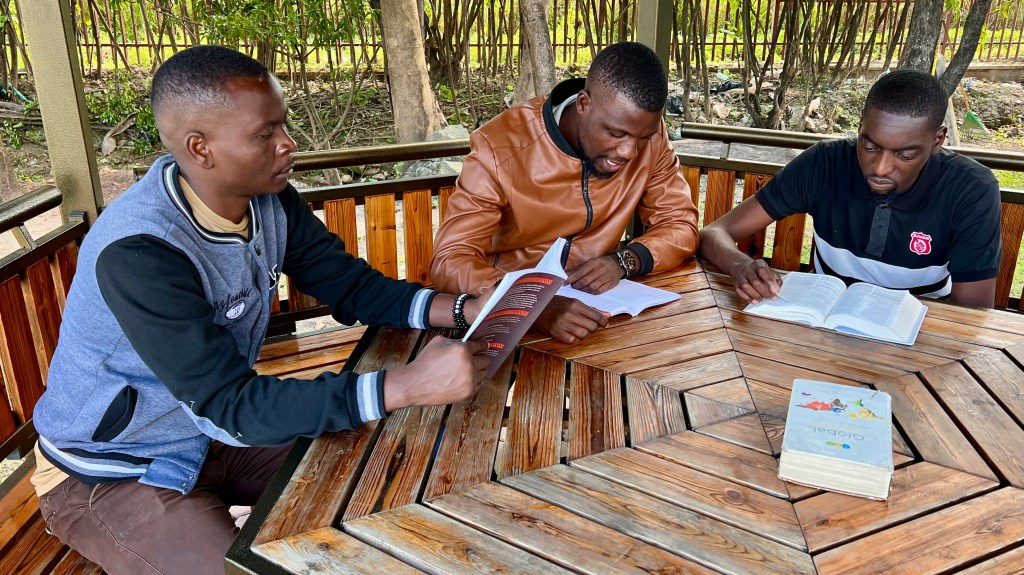
Importantly, Paul didn’t just preach and move on. He invested significant time in training new converts, teaching daily in places like the house of Tyrannus (Acts 19:9). He intentionally shared everything with new believers, as evidenced by his instructions to Timothy in 2 Timothy 2:2. This thorough approach to discipleship ensured that his converts were well-grounded in their faith and equipped to share it with others.
Paul’s mission didn’t end when he left the city. He maintained contact with his converts to encourage them in their faith and solicit help for ongoing missionary work (Romans 15:23-24). This ongoing connection was driven by a deep love for his converts, who had become close friends, as we see in his letter to the Philippians (see 1:6-7). Paul had a fervent desire to see Christ formed in them and longed for their spiritual growth (Galatians 4:19).
In conclusion, Paul’s missionary strategy was both intentional and relational. By focusing on influential urban centers, starting with those who had some theological foundation, investing in thorough training, and maintaining ongoing relationships, Paul discipled an expanding network of believers. As we engage in modern evangelism, we can learn much from Paul’s approach. While our contexts may differ, the principles of strategic focus thorough discipleship, and ongoing relational investment remain as relevant today as they were in the first century.




 Zambia Hunt
Leave a reply to zambiahunt Cancel reply