
Evangelism is not an isolated activity or event. The proclamation of the gospel is the means of God’s grand mission to gather a united people under His rule for all eternity. Evangelism is not just about spreading the word; it is the means of gathering believers into vibrant, self-sustaining fellowships that flourish and multiply.
Our philosophy of church planting must be founded upon Christ’s promise, “I will build my church, and the gates of Hell will not prevail against it.” We either believe that promise or we don’t.
We believe that the church belongs to Jesus Christ, that he is the founder of the church, the foundation of the church, and the owner of the church. We then move forward by faith, trusting in his power and sovereign grace. This means that we do not cut corners with methodologies; we do not seek short-term gain at the expense of long-term vision.
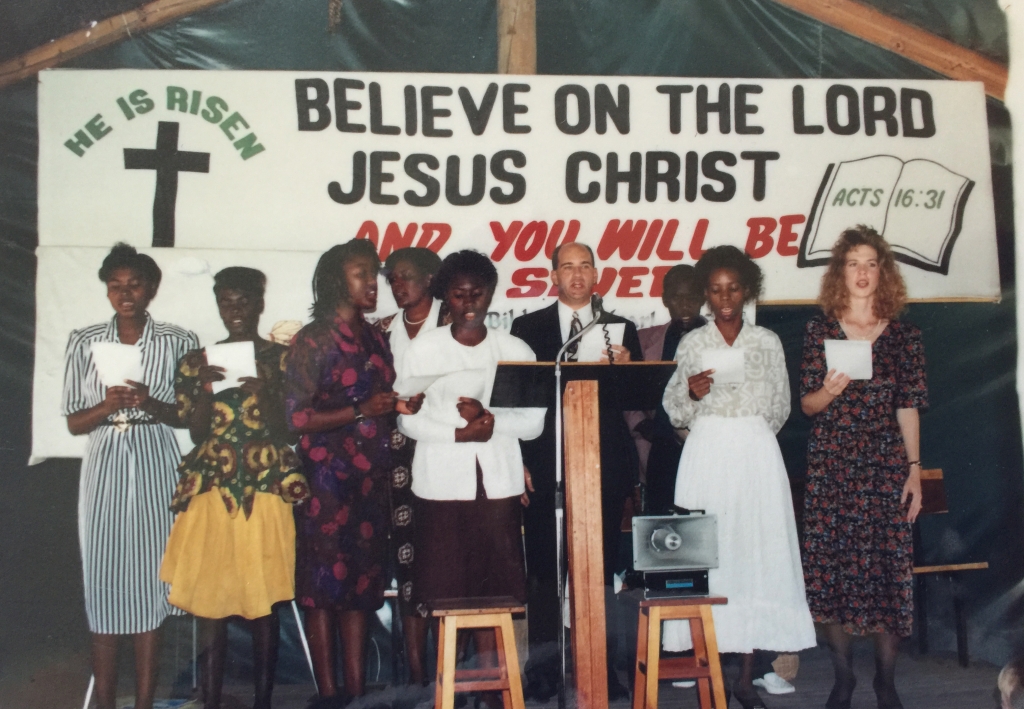
It is important to allow every church plant to find its own way of being indigenous and self-supporting without dictating how they should do it. Forcing a certain way of doing things could hinder the long-term growth and maturity of the congregation. While financial partnerships between local churches can be beneficial for joint ministry, they should only happen once the church is mature and healthy.
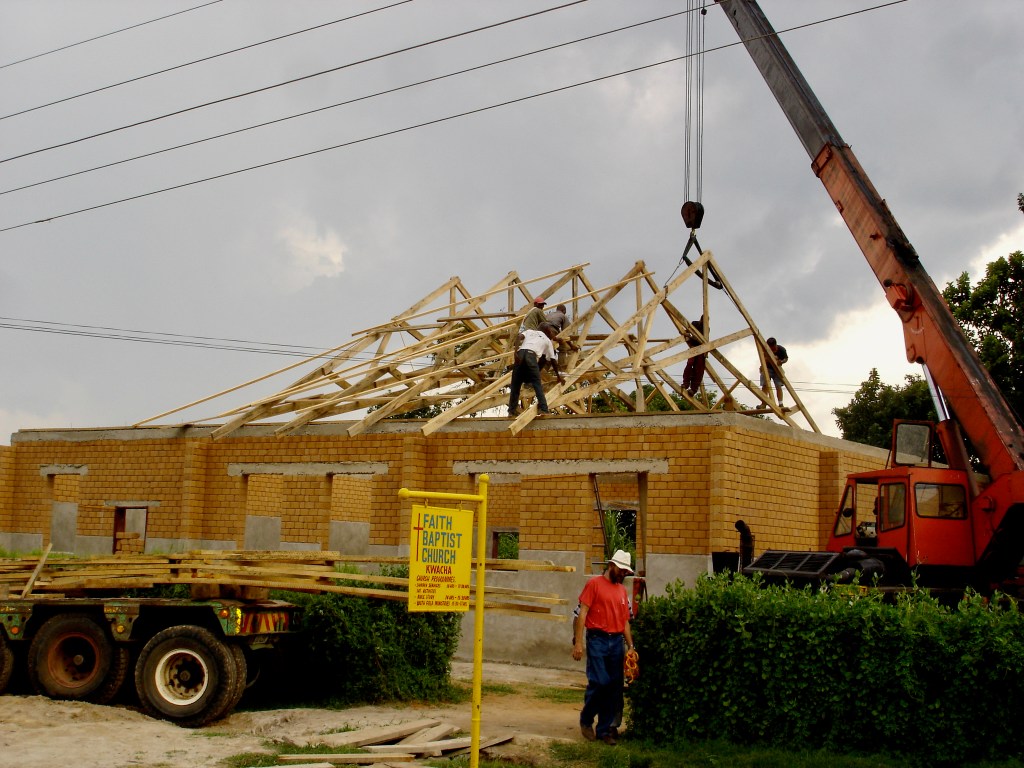
Local churches can come alongside newer church plants or revitalizations by investing in areas that provide stability and growth. This may include assisting with the construction of a permanent building or helping with property purchases, but assistance should not become ongoing where it takes over the core responsibilities of the congregation. It is crucial not to create an unhealthy dependency in the pastor or congregation in the church plant.
A fundamental error often made in missionary work is underestimating the capabilities of congregations in poorer communities to provide for and lead their own church. A congregation in a poor community may not do the forms of church in the way that we are accustomed to, but we deny the promise of God and the power of God when we say they can’t do it. It is ultimately not the people, and it is ultimately not the missionary; it is God himself who has taken responsibility for planting the church upon the foundation of Jesus Christ and building that church for his glory.
It is a denial of God’s promise and power to presume a poorer congregation cannot take ownership of their ministry. The success of a church plant isn’t just about the efforts of people or the church planter; it’s about God Himself, who has committed to building His church on the foundation of Jesus Christ for His glory.
When churches from one culture engage in missionary efforts in a different cultural context, misunderstandings can occur, leading to misuse and distrust in these well-intentioned efforts. Western churches often apply their own cultural norms and values when forming cross-cultural partnerships, overlooking the perspectives and needs of the culture they aim to serve. This approach can result in miscommunications and a lack of genuine understanding of the local culture, leading to ineffective and unbalanced partnerships.
This issue is not limited to the churches alone; missionaries, particularly in their early stages, can make similar errors. The greater the cultural differences between the sending and receiving communities, the more challenging and time-consuming it becomes to understand and appropriately assess the situation. Therefore, it is essential that evaluations and decisions are made from the viewpoint of the local receiving culture rather than that of the sending culture.
In conclusion, evangelism and church planting are not incidental activities but biblical expressions of faith in Jesus Christ’s enduring promise to build His church. As we labor to spread the gospel and establish healthy churches, our actions must be anchored in a deep trust in God’s sovereignty and grace. By emphasizing partnership without dependency, and cultural understanding over imposition, we align ourselves with God’s grand mission to unite people under His eternal rule, thereby fulfilling our calling with humility and hope.

 Zambia Hunt
Leave a reply to My Autobiographical Sketch – From Pastor’s Home to Ministry in Africa – Zambia Hunt Cancel reply