Authoritarian rule is not just “political news”; it directly affects the advance of the gospel across Africa.
The famous line, “Power tends to corrupt, and absolute power corrupts absolutely,” was written by Lord Acton in 1887, in a letter to historian and church leader Bishop Mandell Creighton. Acton strongly disagreed with Creighton, who urged caution in evaluating leaders, emphasizing their difficult circumstances and possible good intentions. Acton argued that the more power a person holds, the more morally dangerous that position becomes – because power weakens accountability and increases temptation. Acton argued that leaders should not receive moral “discounts” simply because of their office, but should be held to a higher standard, since their decisions affect so many. Over time, Acton’s warning became a widely quoted principle of leadership: when authority becomes unchecked, corruption becomes more likely.
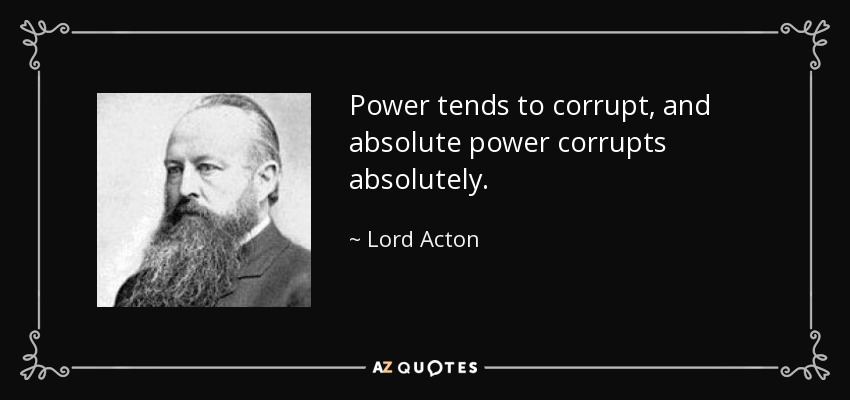
“Power tends to corrupt, and absolute power corrupts absolutely.” That sentence helps explain much of what we are watching unfold across Africa today…
Dictators, Despots, and Demagogues: The Faces of Unaccountable Power
Throughout history, the world has seen its share of leaders who became so powerful that they were virtually unaccountable for their actions. They held so tightly to the instruments of power, slowly tightening their grip so that they were unquestioned, feared, and “ruled with an iron fist.” When such a leader is “benevolent,” the people under them suffer less than when a dictator becomes a despot.
Sadly, some dictators become despots, and history is replete with examples of those who have done just that (Think Kim Jong Un of North Korea, or Nicholas Maduro of Venezuela, or Ayatollah Ali Khamenei of Iran)! These are rulers who hold absolute power and govern harshly, oppressively, and cruelly, without being accountable to the people or the law.
A demagogue, on the other hand, is a leader who gains influence by appealing to people’s emotions and fears, often by stirring up anger, resentment, or division, rather than by using truthful, careful reasoning or offering wise solutions. In Africa, the dictators and the demagogues are often at war with one another. The Demagogues try to stir up a popular uprising to overthrow the dictator, who usually responds with the full force of the state that is at his disposal.
When a people have been oppressed and suffer to the point that they have no other hope, and feel that dying is preferable to living under the tyranny and oppression they face, they rise up in a “people’s revolution,” taking to the streets to throw off the oppression and tyranny they have suffered under for so long. At times, geopolitical forces intervene and, for their own reasons, tip the scales one way or another.
These are not isolated incidents; they are a pattern that shapes the stability, safety, and freedom necessary for unhindered gospel work.
Africa’s Cycle of Oppression, Unrest, and Regime Change
Across Africa, we witnessed a wave of unrest in 2011 – popularly known as “the Arab Spring” that toppled governments in Tunisia, Egypt, and Libya. In 2014, protests erupted in Burkina Faso, prompting the president to resign and flee the country. In recent years, Zimbabwe, Algeria, Sudan, and Mali have seen changes of government driven by unrest and dissatisfaction.
In the broad sense, several African nations today are led by regimes that function like dictatorships, meaning political power is highly concentrated, and there is little real democratic accountability. Independent trackers such as Freedom House regularly classify several countries as “Not Free,” including places like Eritrea and Equatorial Guinea, and many observers also commonly describe states such as Cameroon, Uganda, Rwanda, and Zimbabwe as authoritarian, meaning countries where elections may exist, but opposition parties, media freedom, and civil liberties are often tightly restricted.
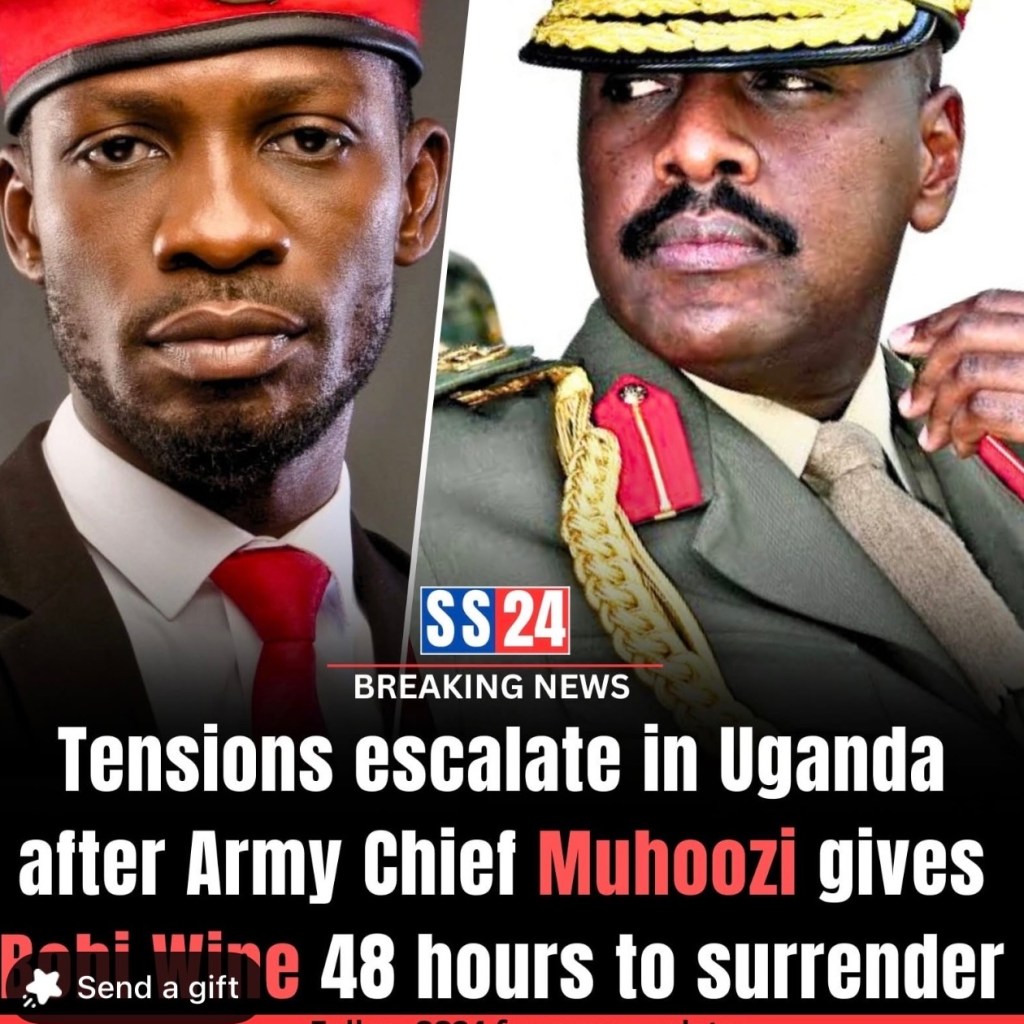
The BBC headline this week: “Ugandan leader extends 40-year rule after winning contested poll.” Elections this past week saw Ugandan President Yoweri Museveni win with 72% of the vote (BBC News), and according to some news reports, the main opposition leader was snatched from his compound by a military helicopter prior to the polls.
In recent years, the return of military-led governments has expanded this list, with countries such as Mali, Burkina Faso, Niger, and Guinea being governed by junta-style governments rather than civilian-led democracies. Because the word “dictator” is debated, we can safely describe these regimes as authoritarian or not free. Still, the core concern is the same: when leadership is not accountable to the people or to the rule of law, abuses of power become far more likely.
In each case mentioned, the result was not just regime change but a reshaping of daily life, civil and religious freedoms.
What This Means for the Church and the Advance of the Gospel
The most critical question for Christians is not merely political: what does this mean for the church and the spread of the gospel?
Authoritarian regimes affect Christianity, the church, and the spread of the gospel in at least two ways. They restrict the church’s freedom to worship and proclaim the gospel, and they tend to purify the church.
Last Sunday, police in Rwanda raided a small gospel-preaching church, gathered to worship through fellowship, singing, and the preaching of the Scriptures. The women with children were sent away, and the single women and men were arrested and booked into jail. Later, the women were released, but as of this writing, six men are still in jail for obeying the New Testament command to assemble for worship.
This is often what happens when authoritarian governments in Africa are in charge. Common results include:
- Restriction of evangelism (especially public preaching, personal evangelism, or other public outreach)
- Control of church registration (permission to meet can be revoked, such as what is happening in Rwanda in 2026)
- Surveillance and intimidation of pastors and leaders, leading to threats and arrest.
- Limits on foreign missionaries, visas, and NGO partnerships are limited; missionary work is restricted or completely forbidden.
Sometimes the regime favors “official” churches that are compliant, while harassing churches that are independent, evangelistic, or connected to global Christianity. These restrictions or outright opposition tempt pastors to preach a “safe” message that avoids repentance, justice, or confronting sin.
But other outcomes are seen in the church through these situations:
- The church is refined; nominal faith falls away, and true disciples become visible.
- The Church becomes serious about holiness and discipleship.
- The Church exhibits courage and unity around the gospel.
This is the context where the gospel must penetrate to the “ends of the earth.” Scripture teaches Christians to respect governing authorities and seek peace (Romans 13; 1 Peter 2), pray for leaders (1 Timothy 2), but to fearlessly obey God rather than men when their demands conflict with Scripture (Acts 5:29). Christianity can survive, and even thrive under authoritarian rule, but it take wisdom, courage, and a willingness to suffer rather than deny Christ.
So when you read African headlines about coups, contested elections, or government crackdowns, remember: behind the politics are pastors, churches, and missionaries deciding each week whether they can meet, whether they can speak openly, and whether they can stay.
A Call To Intercession
- Pray for courage and wisdom for pastors.
- Pray for open doors and protection for gospel workers – for Mohammed, a gospel worker in Sudan, and the six brothers imprisoned last Sunday in Rwanda.
- Pray for true revival and resilient churches.
 Zambia Hunt
Leave a comment