
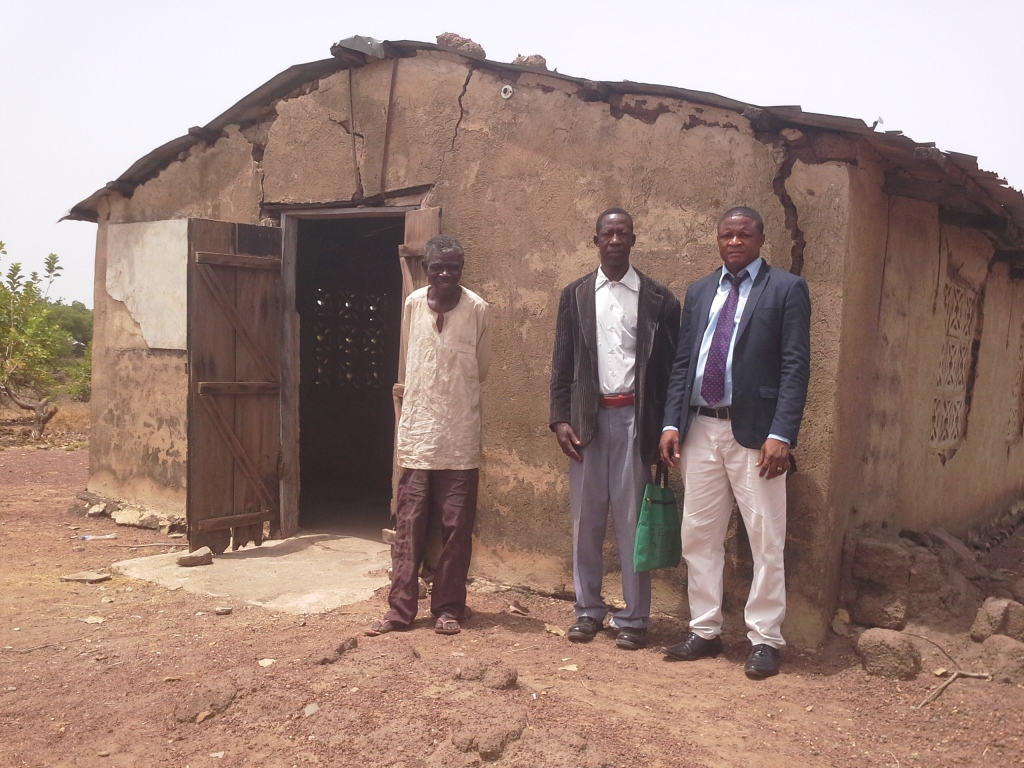
From the picturesque thatch-roofed villages to the bustling metropolises, Africa is a study in contrast.
On this continent, the number one killer is still mosquito-borne malaria, yet it is also the place where the first heart transplant was successfully carried out. Twenty-first-century Africa is dominated by Islam in the north and Christianity across the central and southern regions, yet African Traditional Religion remains the primary theological grid.
Challenge of Urbanization:
Robert Moffat once told young David Livingstone,
“In the north, I have seen in the morning sun the smoke of a thousand villages where no missionary has ever been.”
That statement lit a fire in Livingstone. He would spend most of his adult life pushing across the southern and central regions of Africa with the gospel of Christ. In Livingstone’s Africa of the 1800s, there were a few cities in the coastal areas, but the majority of Africans lived in rural village settings.
Not so today. Africa is the most rapidly urbanizing continent in the world, and this rapid urbanization is producing great challenges to the social and cultural fabric of African society. Though traditional village life remains a large segment of African society, it is steadily declining as people move from villages to towns and cities at a rate of 3.5% per year.
Over one-third of sub-Saharan Africans currently live in urban areas, and in the next thirty years, that figure may swell to over half the continent’s population. The United Nations Population Fund projects that sub-Saharan Africa’s urban population will double between 2000 and 2030. Of these people, the bulk of African urban dwellers will reside in cities with a population of 200,000 or less.
The face of Africa is changing before our very eyes! With urbanization comes the challenge of reaching new and rapidly growing cities with the gospel of Jesus Christ.
Challenges of Urbanization for the African church planter:
First, Africans in urban settings quickly develop an appetite for material things.
Second is the disintegration of the traditional African family structure. Urban pressures on the traditional African family are immense. Instead of focusing on family relationships the focus shifts to the demands of a job and the family unit begins to break up, traditional family connections and responsibilities start to disintegrate.
Third, with urbanization comes exposure to education, philosophies, and ideas from the Western world. Urbanized Africans increasingly embrace a plurality of ideas relating to God. These ideas are often syncretized in one way or another with African Traditional Religious beliefs.
Finally, over time, urban communities buy into the idea that everything is relative, that there is no absolute truth.
Conclusion
As cities grow and cultures collide, the African church faces new realities: materialism, fractured family structures, syncretism, and relativism. The task before us is urgent: to bring Christ to Africa’s growing cities and see healthy, reproducing churches established in the midst of this urban transformation. In the next blog post we will discuss how this can be done.

 Zambia Hunt
Leave a comment