

Polygamy is a sin because it violates God’s clear commands for marriage. “For this reason, a man shall leave his father and mother and cleave unto his wife, and they two shall be one flesh.” To be clear, the act of taking more than one wife is a sin. However, the tenor of Scripture points to the fact that once that sin has been committed, you must live with the consequences. Just as a promiscuous relationship may produce a child — the act of fornication was a sin, however, the child produced is not a sin.
In the Old Testament, we have numerous examples of men who violated the clear command of Genesis 2:24 and, by doing so, sinned against God. However, once they had taken a wife, they were then to live with the consequences of that decision. David chose to sin against God’s clear command with each additional wife he took. However, once married to them, God did not judge David as an adulterer when he related to them as a husband.
David, whom God referred to as “a man after my own heart,” was a great man of God who also sinned against God and suffered the consequences. However, David’s disobedience does not justify our disobeying God. David was a polygamist: David’s first wife was Michal, daughter of King Saul, who intended her to be a snare to David, whereby the Philistines would kill him (I Samuel 18:21,27). David’s second wife was Abigail from Carmel, whom he married about three years after Michal (I Samuel 25:39-42).
David’s third wife was Ahinoam from Jezreel (I Samuel 25:43, 27:3). Without approving or promoting polygamy, Scripture does acknowledge that these women were David’s wives, and God did not judge him for having conjugal relationships with them and producing children.
David’s fourth wife was Bathsheba, who became David’s wife after David had her husband, Uriah the Hittite, murdered (II Samuel 11). Bathsheba was probably a Hittite. David saw her bathing and was filled with lust because she was very beautiful. David sent for her, and they committed adultery. The sin was about to become public because Bathsheba was pregnant.
To cover his sin, David had her husband Uriah killed. David then took her as his wife. God was very angry with David and said the child would not live, the sword would never depart from David’s house, and his wives would be defiled publicly (by Absolom; II Samuel 12). David had many problems in his family—sons murdered, raped, attempted coups, etc.
The point I would make here is that God responded to David’s sin of adultery with Bathsheba with judgment but did not respond that way after he married her and together produced children or when David had marriage relationships with his other wives. In other words, the marriage relationship with multiple wives was not defined as an adulterous relationship, as some modern ministers would suggest.
Was David right in taking these wives? No! He sinned against God’s clear commands and God’s creation order. God sometimes permits what He does not desire. David violated the clear command given by Moses concerning a king, “Neither shall he multiply wives to himself, that his heart turn not away…” (Deuteronomy 17:17). It appears that David also violated God’s prohibition against taking wives from the pagan people who lived around them (Exodus 34:16; Deuteronomy 7:1-3; I Kings 11:1,2).
European and Western missionaries such as David Livingstone took the approach in Africa that when a polygamist repents and believes in Jesus, he was to put away his wives and provide for them and the children but only perform the duties of a husband with the first wife. I disagree with that conclusion. I believe that because these women are recognized officially as his wives, he must do his best as a Christian husband to care for each of them, seek to bring them to Christ and do his utmost to raise his children to know, honor, and fear the Lord. To withhold sexual intimacy from his wives goes against clear scriptural commands (1 Corinthians 7:5) and brings a great temptation for them to seek satisfaction in adulterous relationships.
Polygamy is never God’s will, but like divorce, God allows it due to the hardness of man’s heart (Matthew 19:8). Know that, like divorce, there will be many problems, and the fruit produced by the seeds of sin sown will be evident. We must live with the results of our sins, seek to walk humbly with God, and desire that others do not make the same sinful mistakes.
Guidelines for Church Membership of Polygamists
We will accept polygamists into church membership with these clear teachings and guidelines:
- Regarding salvation, we must carefully examine the Bible’s position without imposing requirements that Scripture doesn’t demand. While some argue that salvation requires abandoning polygamy and sending wives and children away, we must be biblically grounded in our approach.
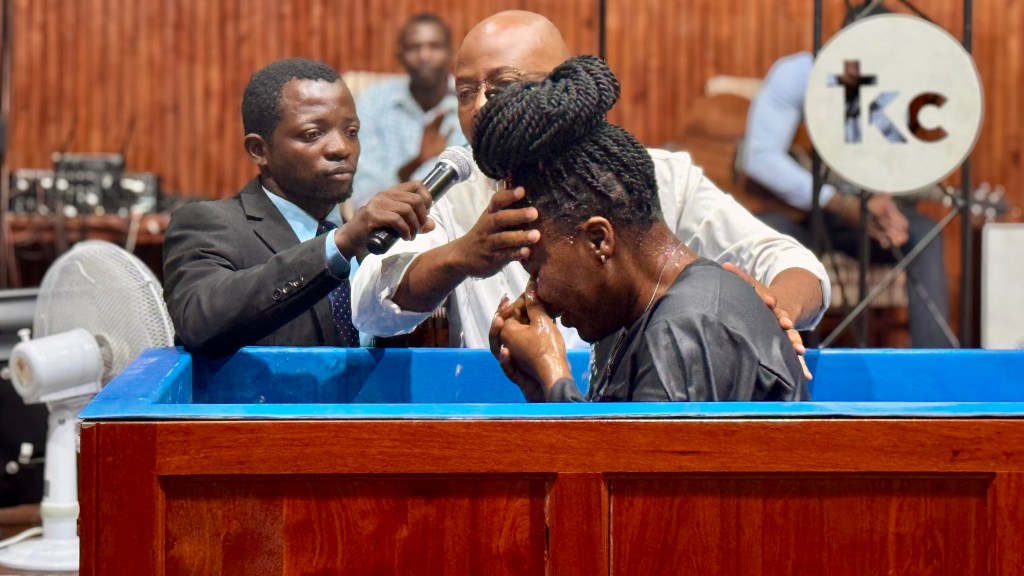
- We require evidence of genuine conversion through a valid testimony and the fruit of a changed life for baptism. Prerequisites for baptism and membership include demonstrable repentance and brokenness, with the person acknowledging that polygamy is a sin.
- The individual must make a public declaration, committing never to enter additional polygamous marriages. They will be held privately and publicly accountable for any future violations of this commitment.
- Polygamists who maintain good standing as church members are welcome to participate in communion with the congregation.
- The church will clearly define appropriate service roles and limitations for polygamist members based on biblical NT instructions and principles.
Breaking the Chain of Polygamy
Breaking the chain of polygamy involves:
- Teaching the church thoroughly concerning polygamy.
- Addressing the generational patterns (“sins of the fathers”).
- Speaking the truth in love and confronting the issue directly.
- Working with youth to establish a biblical understanding of marriage.
- Requiring evidence of repentance and brokenness before admitting those involved into membership:
- They must recognize and acknowledge that polygamy is a sin.
- They must publicly declare their commitment never to repeat the sin.
- They must receive both private and public warnings regarding any future violation.
- Implementing strong church discipline with offenders, including both those who verbally promote polygamy and those who practice it.



 Zambia Hunt
Leave a comment