

By Chopo Mwanza
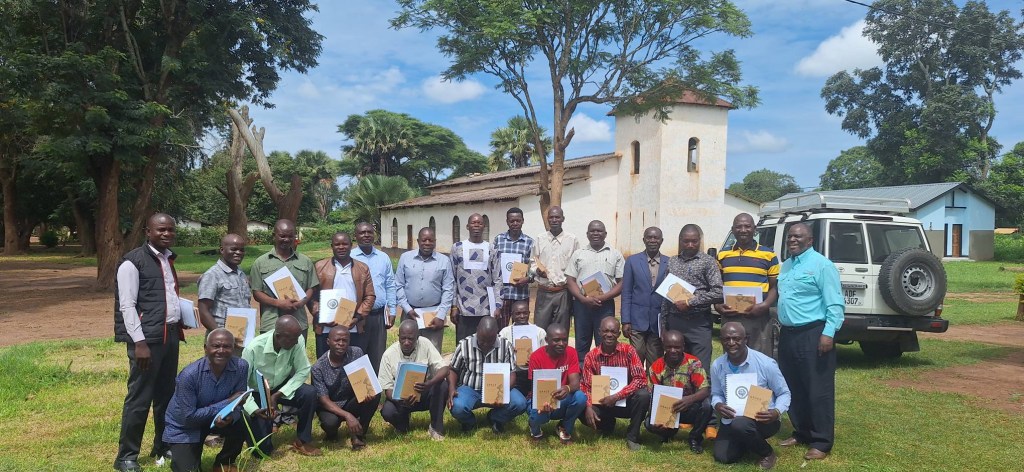
From presentation notes presented at the Imbila Writers Conference, April 2, 2025. Edits by Claude.ai
Introduction
The African church stands at a critical crossroads. While Christianity continues to flourish across the continent with explosive numerical growth, there remains a striking shortage of indigenous Christian literature to nurture this expansion. This shortage is not merely an academic concern but presents real consequences for the spiritual health and maturity of African Christianity.
As we examine the plight of the church with regard to African Christian literature, we must consider not only the symptoms of this deficiency but also the practical steps forward for those called to address it through writing.
The Consequences of Literary Scarcity
1. Shallow Doctrinal Knowledge and Development
It has been said—not without justification—that African Christianity is “a mile wide and an inch deep.” This assessment, while perhaps uncomfortable to hear, contains a kernel of truth that demands our attention. The evidence appears in our Bible studies, where theological understanding is often derived from dubious sources like popular entertainment rather than sound biblical teaching.
Consider how this plays out in specific doctrinal areas:
The sovereignty of God, for instance, receives verbal agreement in many African churches, yet its implications rarely penetrate daily life and decision-making. Many believers acknowledge God’s sovereignty on Sunday but live as practical atheists throughout the week.
Our worship music often reflects this doctrinal shallowness. The songs that fill our churches frequently lack theological substance, yet these very songs shape our understanding of God and faith. As the saying goes, “What you sing, you eventually believe.” Without theologically rich hymnody and worship, our doctrinal foundations remain fragile.
This doctrinal superficiality is directly connected to the availability and accessibility of good Christian literature. Without books that explore theological concepts in depth and relate them to African contexts, believers struggle to move beyond elementary understanding.
2. Disconnection Between Faith and Daily Life
When African Christians don’t write, there develops a troubling gap between biblical truth and its application to everyday life. The purpose of Christian writing is not merely theological education but spiritual formation—helping believers integrate faith into every aspect of existence.
Without literature that bridges this gap, we observe stunted spiritual growth and a false dichotomy between “spiritual life” and “normal life.” Many African Christians compartmentalize their faith, appearing devoutly spiritual on Sunday but defaulting to worldly or traditional approaches to life’s challenges by Monday morning.
This disconnect manifests in various ways:
- Business practices untouched by Christian ethics
- Family relationships governed more by tradition than Scripture
- Political engagement lacking biblical discernment
- Financial decisions made without reference to Christian stewardship
Indigenous Christian literature would address these specific areas of application, showing how biblical principles speak to uniquely African contexts and challenges.
3. Unchallenged Proliferation of Error
Perhaps one of the most alarming consequences of African Christians’ reluctance to write is the unchecked spread of theological error. False teachers demonstrate remarkable confidence and zeal in producing and distributing materials, while those who hold to sound doctrine remain largely silent.
Our approach must shift from merely identifying error to actively promoting truth. As counterfeit currency is best detected by those thoroughly familiar with genuine currency, so false teaching is most effectively exposed by a clear presentation of biblical truth.
The African church needs writers who will articulate orthodox theology in accessible ways, providing believers with the discernment tools needed to recognize and reject falsehood. This is not merely an intellectual exercise but a pastoral necessity for protecting Christ’s flock.
4. Cultural Issues Without Biblical Perspective
Many cultural practices and traditions in African societies proceed without thoughtful biblical analysis. When Christians don’t address these issues in writing, the unfortunate impression forms that Christianity has nothing meaningful to say about everyday cultural realities.
This silence fuels the persistent claim that Christianity is merely “a white man’s religion,” offering Western applications of Scripture without relevance to African contexts. The absence of African Christian perspectives on cultural matters creates a vacuum often filled by either uncritical acceptance of tradition or wholesale adoption of Western approaches.
Consider the areas urgently needing biblical engagement:
- Marriage preparation and ceremonies, including the increasingly problematic practice of bride price
- Death and funeral customs, which often involve significant spiritual confusion
- Marital relationships and family dynamics
- Work ethics and professional conduct
The silence of African Christians on these matters does not mean Scripture is irrelevant but rather that we have failed in our responsibility to apply biblical wisdom to cultural questions.
5. Distorted Representation of African Christianity
When African Christians abstain from writing, we surrender the narrative about African Christianity to outside voices. While Western scholars and authors may offer valuable insights, they inevitably view African realities through their own cultural lenses.
This creates a skewed perspective that may:
- Overemphasize exotic elements of African Christianity
- Misinterpret cultural practices through Western frameworks
- Fail to recognize nuances apparent to cultural insiders
- Inadvertently perpetuate colonial paradigms
Only African Christian writers can provide the insider perspective needed to represent African Christianity accurately to both local and global audiences.
6. Hindered Gospel Advancement
Perhaps most critically, the shortage of indigenous Christian literature impedes the advance of the gospel itself. Without clear, contextual explanations of Christian faith, cultural misunderstandings flourish, and Christianity appears alien to potential believers.
Misconceptions about Christianity that could be addressed through thoughtful writing instead persist, turning people away from rather than toward the gospel. The evangelistic impact of the African church is thus diminished not by a lack of zeal but by a lack of cultural translation through written resources.
The Universal Applicability of Biblical Truth
Underlying all these consequences is a fundamental truth we must emphasize: Biblical principles apply universally, including to African contexts. The Bible is not a Western book but God’s revelation to all humanity.
Our task as African Christian writers is not to create new truth but to demonstrate how God’s unchanging truth speaks to African realities. We must make these connections explicit through the books we write, showing how Scripture addresses African questions, challenges, and contexts.
Practical Considerations for African Christian Writers
1. Write with Real People in Mind
Effective writing begins with a clear audience. Rather than attempting to address the whole world, focus on the people you know—perhaps members of your own congregation or community. This specificity will give your writing focus and relevance.
Consider their:
- Educational background
- Cultural context
- Spiritual maturity
- Practical questions and challenges
By writing for real people rather than abstract audiences, you ensure your work meets actual needs rather than imagined ones.
2. Maintain Realistic Expectations
Very few authors become bestsellers, and you are likely not to be one. This reality, however, should not discourage writing but rather free you from unhelpful pressure.
The tendency to overestimate our importance often leads to:
- Paralysis from perfectionism
- Resistance to feedback and editing
- Disappointment and abandonment of writing projects
Write faithfully for the audience God has given you, whether large or small, and leave the results in His hands.
3. Pursue Edification, Not Controversy
While some controversy is inevitable when addressing important issues, it should never be our goal. Sensationalism and unnecessary drama may attract momentary attention but rarely produce lasting spiritual fruit.
Our writing should never be:
- Slanderous or malicious
- Divisive without purpose
- Characterized by harshness or contempt
- Lacking in grace even when presenting truth
Instead, like Christ himself, our writing should be “full of grace and truth” (John 1:14), seeking to build up rather than tear down.
4. Support the Ecosystem of African Christian Literature
Individual writing efforts exist within a broader literary ecosystem that requires nurturing. Supporting this ecosystem involves:
- Purchasing works by African Christian authors
- Reading these works attentively and critically
- Promoting quality African Christian books to others
- Providing constructive feedback to authors
These practices create a virtuous cycle that encourages more and better African Christian writing.
5. Begin Now, Without Delay
Perhaps the most important exhortation is simply this: Write! Many good intentions never materialize into actual books. Death comes to us all, and as the saying reminds us, “in the grave there is no writing.”
The perfect time to write will never arrive. Begin now, with whatever time and resources you have. Start small if necessary—with articles, blog posts, or church materials—but start somewhere.
Conclusion
The plight of the African church regarding indigenous Christian literature presents both a challenge and an opportunity. The consequences of literary scarcity are serious and far-reaching, affecting doctrinal understanding, spiritual formation, cultural engagement, and gospel advancement.
Yet these very consequences highlight the significance of the opportunity before us. African Christian writers have the privilege of addressing real needs, shaping the future of African Christianity, and contributing to the global theological conversation.
The task is not primarily about achieving literary recognition or commercial success but about faithful stewardship of the truth God has entrusted to us. It is about ensuring that the Christianity that spreads across Africa is not merely wide but also deep, not just emotionally vibrant but doctrinally sound, not culturally alienated but contextually relevant.
Let us therefore write—thoughtfully, faithfully, and persistently—for the glory of God and the flourishing of His church in Africa.



 Zambia Hunt
Leave a comment