

Acts 5:1-11

In many African churches – at least here in Zambia, addressing sin within the church poses a unique challenge due to our deeply rooted honor/shame cultural dynamics. A pervasive pattern emerges where congregational sin remains concealed, even when widely acknowledged through whispered conversations. This cultural barrier often prevents individuals from engaging in obedient biblical confrontation. Church leadership frequently “benefit” from this phenomenon – those in positions of authority may engage in immoral relationships, fraudulent activities, or theft while remaining unchallenged by their congregations. Interestingly, this pattern shifts dramatically when a member is perceived as threatening church leadership authority. In such cases, it becomes common for a pastor (often holding the title of bishop or apostle) to take swift, unilateral, and public action against the perceived threat. For African churches to flourish as healthy, reproducing communities that effectively carry out God’s mission, we must develop a deeper understanding and practice of biblical church discipline. (This vital topic will be explored in a future post).
Sin is to the body what a rotting corpse is to a clear, cool well. A living organism can survive only so long when contaminated with such putrid infection. The limbs swell, the breath becomes labored, and eventually, that organism ceases to live. Sin destroys all that is good, robbing any organism of its power and effectiveness.
For believers, no sin is more destructive than hypocrisy – the pretense of having admirable principles while our actions contradict our stated beliefs. The early church learned this lesson through a shocking incident that deserves our careful attention.
A Church at the Crossroads
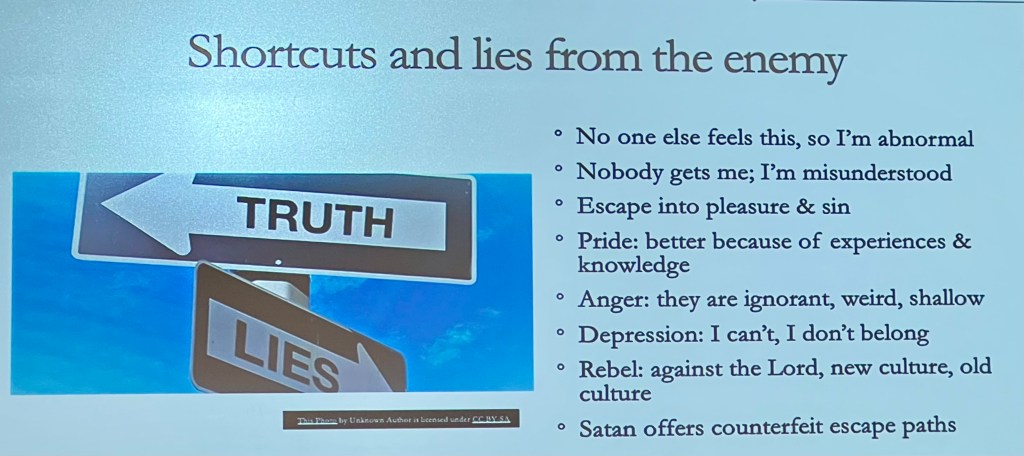
Just weeks after Pentecost, the early church was experiencing unprecedented spiritual power. Believers boldly proclaimed the gospel and genuinely cared for needy brothers and sisters. Then, for the first time in Acts, we encounter the word “Satan.” The master deceiver moved to destroy this vibrant community’s love, power, and effectiveness through a subtle strategy: infiltrating the church through sinning saints.
Enter Ananias (meaning “God is gracious”) and Sapphira (meaning “beautiful”). Their story reveals how quickly spiritual pride can turn deadly.
The Poison of Pretense
Like Achan in Joshua 7, who kept back some of the spoils of Jericho for himself, this couple sold property but secretly kept part of the proceeds while pretending to give everything. They had witnessed their friend Barnabas’s generous gift and wanted the same recognition – but without the same sacrifice.
Their sin was twofold. Outwardly, they lied about their giving. But this deception sprang from a deeper sin – hypocrisy, the very sin that drew Christ’s sharpest rebukes (Matthew 6:1-6, 23:1-39). They wanted the privilege without the sacrifice, the recognition without the cost.
As Jesus warned, “Beware of practicing your righteousness before men to be noticed by them” (Matthew 6:1). Ananias and Sapphira were sinning saints pretending to be spiritual, forgetting that any sin against the fellowship of believers is a sin against Christ Himself (1 Corinthians 8:12).
The Heart of the Matter
Peter confronted Ananias with a penetrating question: “Why have you allowed Satan to fill your heart to lie to the Holy Spirit?” This gets to the core issue. If Satan can influence the heart, he can control the body. Scripture repeatedly emphasizes this truth through various passages. In Jeremiah 17:9, we learn that “the heart is deceitful above all things, and desperately wicked,” while Proverbs 23:7 reminds us that “as he thinks in his heart, so is he.” Jesus himself taught that “out of the abundance of the heart the mouth speaks” (Luke 6:45). Satan’s lies work their way into our hearts through subtle but deadly deceptions: suggesting that giving all one is and has is too much to ask, that giving up the world for Christ is unreasonable, and that what truly matters is acquiring more to secure the world’s respect. Though Satan tempted them, the responsibility for the sin rested with Ananias and Sapphira. Their lying revealed they trusted money more than God, believing they could serve both God and mammon – something Jesus explicitly said was impossible (Matthew 6:33).
The Price of Compromise
The judgment was swift and severe, with both Ananias and Sapphira falling dead when confronted with their deception. This harsh punishment served multiple purposes. As the head of his household, Ananias’ hypocrisy caused others to sin, specifically leading his wife into both deception and death. Moreover, their actions directly tested the Spirit of God – a holy God had paid a great price to make them holy, and their sin brazenly flaunted that sacrifice. Perhaps most critically, their compromise posed an existential threat to the church’s very life, like a cancer that needed to be removed for the body to survive. The severity of the punishment reflected the gravity of their transgression against both God and His church.
Lessons for Today
This sobering account offers several vital warnings for christians and local churches alike:
First, all sin will be judged. As Romans 6:23 declares, “The wages of sin is death.” While God may not always judge as swiftly todayas he did in Acts 5, Ecclesiastes 8:11 warns that when “sentence against an evil work is not executed speedily, therefore the heart of the sons of men is fully set in them to do evil.” Do not be deceived, God is not mocked! The principle of sowing and reaping is very much in effect! (Galatians 6:7)
Second, following Christ means complete surrender. As Jesus said, it requires “denying self” (Luke 9:23) and living “soberly, righteously, and godly in this present age” (Titus 2:12-13).
Finally, we must guard our hearts. The only answer to sin is confession and repentance. If God has chosen in mercy to delay punishment, don’t become proud – seize the opportunity to repent.
The early church responded with “great fear” (Acts 5:11). We need the same holy reverence today. For this story reminds us that following Christ isn’t about appearances but authenticity, not about recognition but righteousness. The question is: are we willing to be real with God, and love Him enough to confront those within the church who are living in sin, even when it costs us everything?



 Zambia Hunt
Leave a comment