
Acts 3:1-23
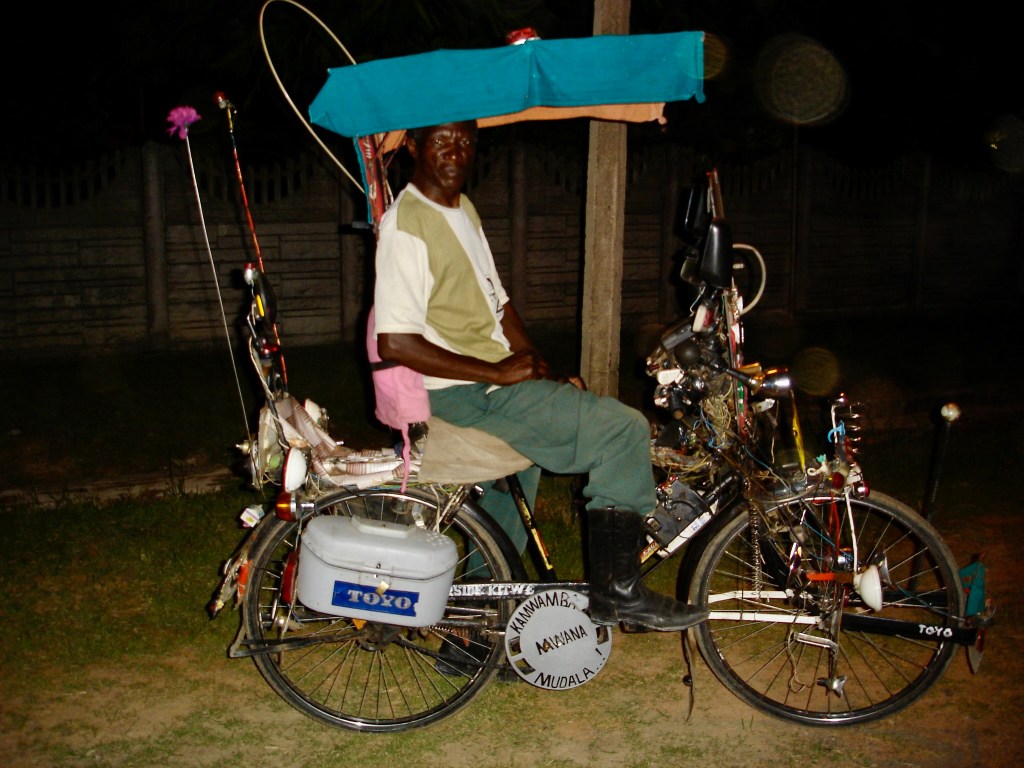
Our world is filled with hurting people. They are everywhere – from beggars sitting on sidewalks to desperate mothers making unthinkable choices, like the woman in Riverside, Kitwe who took her daughter’s life because she was dying with a diagnosis of HIV and had no one to care for her. Sometimes the depth of human suffering seems overwhelming. But sometimes, in the midst of such pain, everything changes in an instant.
Consider the scene that unfolded at Jerusalem’s Beautiful Gate, the entrance leading from the Court of the Gentiles to the Court of Women. It was three in the afternoon – the hour of prayer and evening sacrifice. Peter and John, often partners in ministry who had together witnessed Jesus’ trial and empty tomb, were heading to the temple.
A Life of Limitations
There lay a man who had never taken a step in his life. For over forty years (Acts 4:22), he had been carried everywhere he needed to go – to the temple, to the table, to bed. Like the young man at the Luyanshya turn-off who sits in his wheelbarrow all day, or the insane boy dressed in rags, sleeping on the ground across from the mosque in Kitwe, this was his daily reality.
Every day, others would lay him at the temple gate – the text suggests he couldn’t even sit up on his own. He had been there so long it seemed normal, both to him and to the crowds that passed by. While others entered the temple to worship, he could only beg from the outside. Though the rabbis taught that Judaism rested on three pillars – Torah, Worship, and showing kindness – this man could only hope for the latter.
His situation mirrors our own spiritual condition. As Paul would later write in Romans 5:12-21, we’re all born unable to walk in a way that pleases God. Adam’s spiritual lameness passed to all his descendants. Like this man, we can be right at the door of spiritual truth yet still be outside, separated from God.
The Moment Everything Changed
The healing that transformed this man’s life teaches us much about divine intervention. It came unexpectedly – there was no healing crusade, no scheduled meeting. It came through the name of Jesus, which in Hebrew culture represented a person’s power and authority. And it came completely – no partial healing or gradual improvement. The text tells us he immediately leaped up, stood, and walked.
This wasn’t like modern claims of healing that often involve psychosomatic conditions. The apostles healed verifiable physical conditions – blindness, deafness, paralysis, leprosy. Even their critics couldn’t deny what happened; Acts 4:16 records their admission that this miracle was undeniable.
It’s worth noting that such healings were actually rare in the early church. When Aeneas was healed in Acts 9:33-34, it created a stir precisely because such miracles weren’t common. Paul didn’t heal Trophimus but left him sick in Miletus (2 Timothy 4:20), and he advised Timothy to use medicine for his ailments (1 Timothy 5:23). The early church wasn’t a miracle-working church – it was a church with miracle-working apostles, whose signs confirmed their authority (Hebrews 2:3-4).
The Joy of Transformation
Imagine the scene: a lame beggar transformed into a leaping worshipper. Finally, he could enter the inner court – a place previously forbidden to the lame, blemished, Gentiles, and women. In Christ’s name, those rejected by the religious system found acceptance, whether an Ethiopian eunuch, a lame beggar, a woman, or a Gentile.
The change was so dramatic that everyone who knew him was filled with wonder and amazement. They knew who he had been – and they could see who he had become. The transformation was unexplainable by natural means.
His story illustrates important spiritual truths. Like him, we’re born unable to walk in God’s ways. Like him, we’re spiritually bankrupt, unable to pay our debt to God. Like him, we can be right at the door of spiritual truth yet still be outside. And like him, healing comes wholly by grace – unearned, unexpected, transformative grace.
In our world still filled with hurting people, this ancient story offers hope. Whether our limitations are physical, emotional, or spiritual, the same Jesus who transformed this man’s life still works today. While we shouldn’t expect the same type of miraculous physical healing that authenticated the apostles’ ministry, we can trust that God still heals – physically when it aligns with His will, and always spiritually when we turn to Him in faith.
The question is: will we, like this man, allow our lives to become a public testimony to God’s transforming grace? Will we leap from our places of limitation into the freedom Christ offers? The door to spiritual healing stands open – how will we respond?

 Zambia Hunt
Leave a comment