
Acts 4:23-31
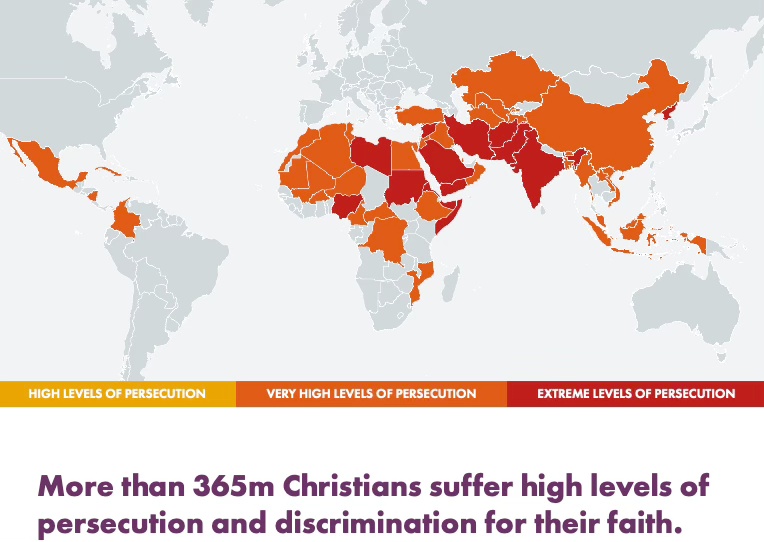
There are many locations across Africa where God’s ministers are facing persecution, opposition in terms of threats, and in some cases threats on their life. In northern Nigeria for example, anyone who claims to be a Christian is under threat of their life, some estimates are that 50,000 people have already lost their lives for being “christian”.
How do you respond when facing opposition for your faith?
Some compromise their beliefs. Others complain about unfairness. Many simply quit. But the early church offers us a dramatically different model of responding to persecution – one that turned opposition into opportunity.
The Power of Community
When Peter and John were released from their interrogation before the Sanhedrin, their first instinct is telling: they “went to their own companions” (Acts 4:23). This wasn’t just about finding friendly faces; it was about seeking the place and people – the community – where they truly belonged. As Hebrews 10:24-25 urges, we shouldn’t forsake “assembling ourselves together… but exhorting one another, and so much the more as you see the Day approaching.”
Their report to fellow believers reveals even more about perspective in the face of opposition. They didn’t complain about unfair treatment, express terror about future persecution, or boast about their bold responses. Instead, they turned their experience into an opportunity for corporate prayer. Like an orchestra where different instruments rush along in harmony, they raised their voices “with one accord” – literally, with one mind (Acts 4:24).
Remembering Who God Is
In times of crisis, our view of God becomes crucial. The early church responded to opposition by first affirming three vital truths about God:
He is Creator
They addressed Him as “Sovereign Lord,” acknowledging His ownership of “heaven, earth, sea and all that is in them.” This wasn’t just theological rhetoric – it was a reminder that the Creator has purpose for His creation. Though creation rebelled (Genesis 3:6, Romans 5:12), God’s redemptive plan continues. Like Hosea buying back his unfaithful wife, God works to restore His relationship with humanity.
He is Communicator
God speaks through multiple channels:
- Through servants like David, who prophesied about opposition to God’s work (Acts 4:25-26)
- Through Jesus, the Messiah, whose rejection fulfilled prophecy (Acts 4:27)
- Through disciples today, commissioned as witnesses (Acts 1:8)
As Peter would later write, “prophecy never came by the will of man, but holy men of God spoke as they were moved by the Holy Spirit” (2 Peter 1:21).
He is Controller
The early believers found comfort in God’s sovereignty. Even their opponents’ actions fulfilled God’s plan “to do whatever Your hand and Your purpose determined before to be done” (Acts 4:28). Like Titus 1:2 affirms, God “cannot lie” – what He says will happen.
Requesting the Right Things
Perhaps most surprisingly, these persecuted believers didn’t pray for deliverance from opposition. Instead, they asked for courage to continue their mission. Their prayer wasn’t about their comfort but about God’s kingdom advancing “through the name of your Holy Servant Jesus.”
This remarkable response stemmed from understanding their relationship with God – they were servants, He was Sovereign. As Paul would later write, “If I were still trying to please people, I would not be a servant of Christ” (Galatians 1:10).
God’s Immediate Response
The answer to their prayer came dramatically:
- The place was shaken – a physical sign of God’s presence
- They were filled with the Holy Spirit – received divine enablement
- They spoke God’s word with boldness – exactly what they had requested! Answers to prayer are contingent upon asking according to God’s will and for His glory!
When we face opposition today, we have a choice. We can respond like many in John Wesley’s day, who abandoned their faith when it became costly. Or we can follow the early church’s example:
- Run to spiritual community rather than isolate in fear
- Remember God’s sovereign control and take action
- Request courage rather than comfort
- Keep the mission primary – whatever the sacrifice, whatever the cost.
The question isn’t whether we’ll face opposition in gospel ministry – Jesus guaranteed we would. The question is how we’ll respond when it comes. Will we, like the early church, turn opposition into opportunity for God’s glory?
Remember: opposition often forces us either toward God or away from Him. The early believers show us that the path toward Him, though potentially costly, leads to supernatural enablement for the task before us. Their experience reminds us that sometimes God’s greatest works come not by removing opposition, but by empowering us to face it with supernatural courage.




 Zambia Hunt
Leave a comment