
The Challenge We Face
Picture a young man in your congregation—passionate about scripture, eager to serve, filled with fresh ideas and energy. Now imagine your church turning him away simply because he’s “too young.” Sadly, this isn’t just a hypothetical scenario. In many churches across Zambia, potential leaders are being pushed aside, their gifts untapped, and their calling questioned.
I recently heard of a church that refused to vote for one of their own as their pastor solely because of his age; the brother was in his early 30s. But when we look at the early church, we see a radically different approach. In Acts 18, we discover two ordinary believers, Aquila and Priscilla, taking the gifted Apollos under their wing. They didn’t view his potential as a threat or dismiss him for his youth or inexperience. Instead, they invested in him, mentored him, and helped shape him into one of the early church’s most powerful voices.
God’s Design for Leadership Development
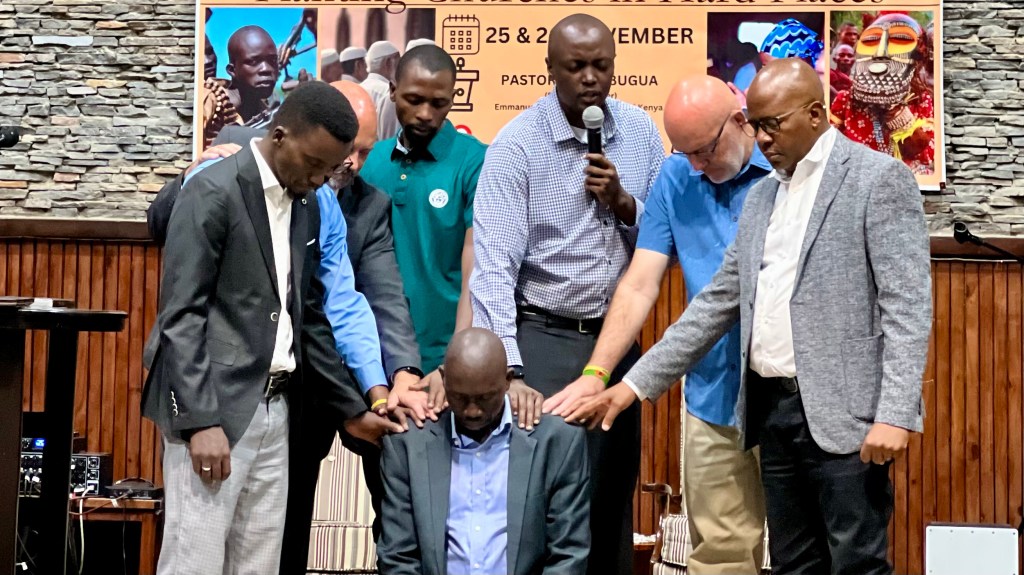
The truth is, God’s design for raising church leaders isn’t a top-down system—it’s a body of believers working together, each playing their vital role in identifying, affirming, and nurturing the leaders God is calling from within our midst. This responsibility is rooted in the biblical model of the church as a body of believers working together to grow in Christ and fulfill His mission.
The Biblical Foundation
The congregation plays several crucial roles in leadership development:
- Identification and Affirmation: The congregation identifies, affirms, and holds potential leaders accountable. Leaders should be raised from within the church, where their character, gifting, and service can be observed over time (1 Timothy 3:2-7).
- Recognition of Gifts: The church body plays a vital role in recognizing God-given abilities and callings in individuals through prayer, discipleship, and shared ministry experiences (1 Timothy 4:14).
- Discipleship and Training: The congregation must actively disciple potential leaders, teaching sound doctrine, modeling godly behavior, and providing service and leadership development opportunities.
- Support and Sending: Through prayer, encouragement, and resources, the congregation supports leaders, particularly when they are sent to ministry, such as church planting or mission work (Acts 13:3).
- Gospel Protection: The church is tasked with ensuring that its leaders uphold the truth of the gospel, maintaining a collective commitment to biblical teaching (Galatians 1:9).
Suggested Resource: The Church – The Gospel Made Visible by Mark Dever
The Power of Lay Mentorship: Learning from Aquila and Priscilla
The story of Aquila and Priscilla mentoring Apollos (Acts 18:24-28) provides an excellent model for lay mentorship in the church. Aquila and Priscilla demonstrated remarkable wisdom in their discipleship of Apollos, first by recognizing his natural gifts while also discerning areas where he needed growth. Their approach to mentoring him was marked by personal attention and genuine care, as evidenced by how they “took him aside” rather than correcting him publicly. In their private discipleship, they maintained a humble attitude, avoiding any sense of arrogance or mockery while helping him develop greater doctrinal accuracy. Their focus on both nurturing his talents and gently addressing his theological gaps exemplifies effective Christian mentorship.
They demonstrated several key principles:
Characteristics of Effective Lay Mentors
- Spiritual Maturity: Well-grounded in Scripture and living exemplary lives
- Willingness to Serve: Opening homes and giving time and resources
- Long-term Commitment: Staying invested in the church and its mission
Practical Support for Emerging Leaders
Effective mentorship includes:
- Meeting physical needs (housing, resources)
- Creating learning opportunities
- Providing ministry practice
- Building supportive communities
- Offering accountability relationships
Recognizing Different Gifts and Styles
Leadership comes in many forms, and we must nurture this diversity:
- Teachers (like Apollos)
- Missionaries/Church Planters (like Paul)
- Encouragers/Supporters (like Aquila & Priscilla)
- Administrative Leaders (like Titus)
Creating a Leadership Development Culture
Practical Steps for Churches
- Implement Intentional Mentoring
- Pair mature believers with emerging leaders
- Schedule regular discipleship meetings
- Focus on skills transfer
- Allocate Resources
- Set training budgets
- Provide ministry tools
- Support educational opportunities
- Support Current Leaders
- Maintain consistent prayer support
- Address physical needs
- Provide ministry assistance
- Enable continuing education
Moving Forward
Leadership development is not just for church staff—it’s every member’s responsibility. It requires time, patience, and persistence, but the result is stronger churches and more effective ministry.
Action Steps for Your Church
- Create a mentorship program pairing experienced members with emerging leaders
- Evaluate current support systems for church leaders
- Develop a resource list for leadership development
- Schedule regular leadership training sessions
- Create opportunities for practical ministry experience
Remember, God’s design for raising church leaders involves the entire congregation working together. When we embrace this responsibility, we create an environment where future leaders can flourish, and the church can grow stronger in its mission to spread the gospel.
*For further study, explore these key passages: Acts 18:18-28, 2 Timothy 2:2, 1 Timothy 4:12-16, Romans 16:3-5, 1 Corinthians 12:4-6, and Ephesians 4:11-16.*



 Zambia Hunt
Leave a comment