
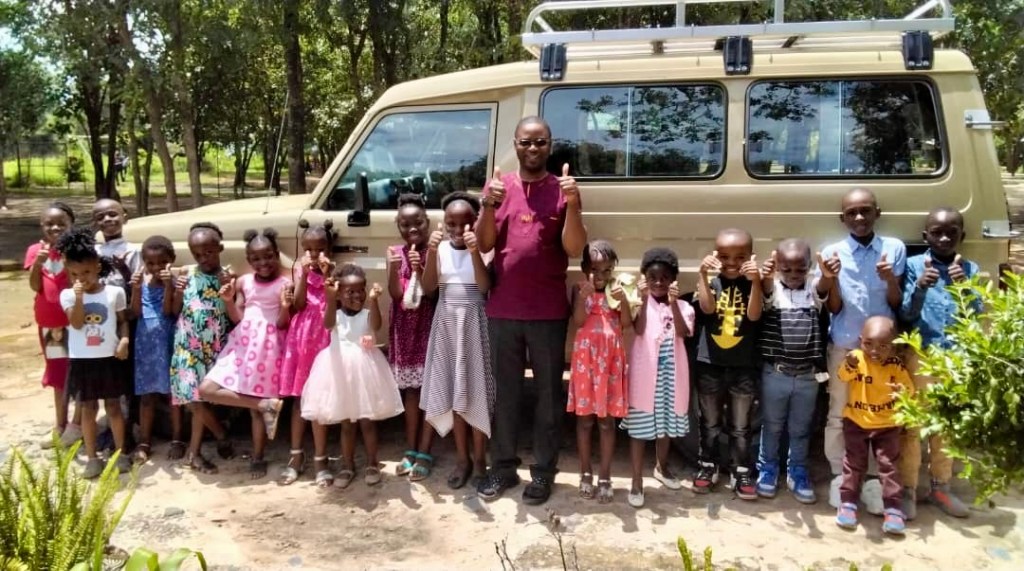
In my years of working with orphaned children in Africa through Faith Children’s Village, I’ve come to understand that the challenges these children face go far beyond their physical needs. There’s a deeper, emotional wound that often persists even when a child’s basic needs are met. Keith McFarland of New Hope Uganda calls this the “Orphan Heart,” and his insights have profoundly shaped my understanding of how we can truly help these vulnerable children.
Understanding the Orphan Heart
McFarland describes the Orphan Heart as a condition that “desperately needs the healing of the Father.” This concept goes beyond just physical orphans; it speaks to a spiritual condition that affects many of us. In fact, McFarland suggests that the Orphan Heart is simply another way of describing the sinful human heart.
But what does an Orphan Heart look like? Here are some of its key characteristics:
- Abandonment: A deep feeling of having no one to turn to for help or answers.
- Loneliness: A sense of being out of place and isolated, even when surrounded by people.
- Rejection: The feeling of being unwanted and a burden to others.
- Hopelessness: An inability to imagine a positive future or dream beyond the present difficulties.
- Worthlessness: A conviction of having no value.
- Loss of Identity: Particularly in African cultures, where identity is closely tied to one’s father.
- Sadness: A pervasive feeling that overshadows moments of happiness.
- Mistrust: Difficulty believing in the good intentions of others.
- Fear: A constant state of anxiety about potential pain or loss.
- Insecurity: Feeling unprotected and unsafe, leading to defensive behaviors.
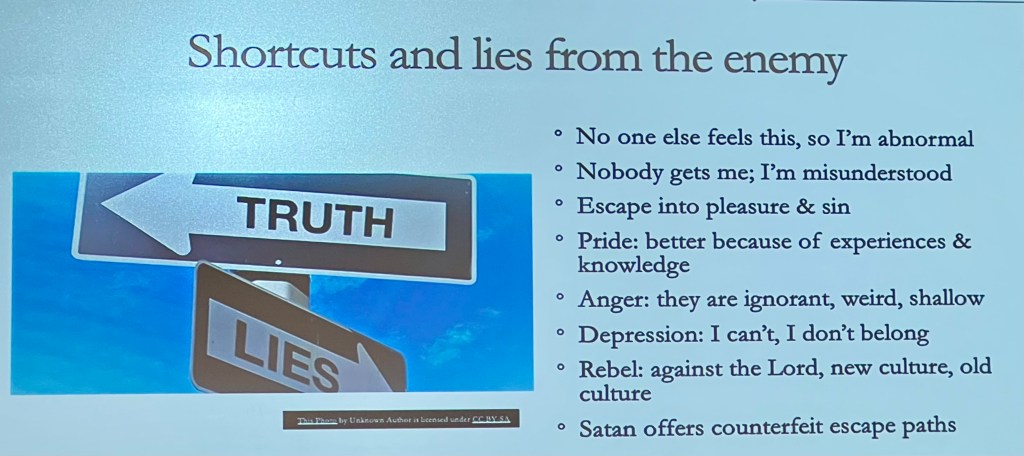
These feelings often manifest in behaviors such as hiding one’s true self, manipulation, deceit, and anger. The Orphan Heart drives individuals to protect themselves at all costs, often at the expense of forming genuine relationships.
The Fatherhood of God: The Answer to the Orphan Heart
McFarland emphasizes that the answer to these deep-seated issues is found in understanding and experiencing the Fatherhood of God. This concept is central to the gospel message and provides the foundation for healing the Orphan Heart.
Here’s how the Bible presents God’s Fatherhood as the solution:
- Jesus Reveals the Father: In John 14:6-8, Jesus states that He is the way to the Father and that knowing Him means knowing the Father. He provides access to God the Father (John 14:6) and truly reveals Him (John 14:8).
- The Gospel Culminates in Fatherhood: Ephesians 2:18 shows us that the gospel message leads us to the Father. This relationship with God as Father is the highest blessing of the gospel.
- Adoption into God’s Family: The doctrine of spiritual adoption is crucial. Passages like Ephesians 1:3-6, Galatians 4:4-7, and Romans 8:14-17 describe how we are adopted as God’s children through Christ. This adoption addresses the core issues of the Orphan Heart by providing a new identity, security, and sense of belonging.
- God’s Special Concern for Orphans: Throughout Scripture, we see God’s heart for the fatherless. Psalm 68:5 describes Him as a “father to the fatherless.” This shows that God’s Fatherhood is not just a theological concept but a practical reality for those who feel abandoned and alone.
Understanding and experiencing God’s Fatherhood can transform the Orphan Heart in profound ways:
– It replaces abandonment with belonging.
– It counters loneliness with the assurance of God’s constant presence.
– It overcomes rejection with the knowledge of being chosen and loved by God.
– It instills hope by revealing God’s good plans for the future.
– It establishes worth based on being God’s beloved child rather than circumstances.
– It provides a new, unshakeable identity as a child of God.
Conclusion
As we work with orphaned children – and indeed, as we deal with our own Orphan Hearts – the key is to help them understand and experience the Fatherhood of God. This involves more than just telling them that God loves them; we must demonstrate this love in tangible ways, becoming conduits of God’s fatherly care.
By addressing the Orphan Heart through the lens of God’s Fatherhood, we can offer hope and healing that goes far beyond meeting physical needs. We can help these children – and ourselves – find true belonging, identity, and purpose in the family of God.


 Zambia Hunt
Leave a comment