
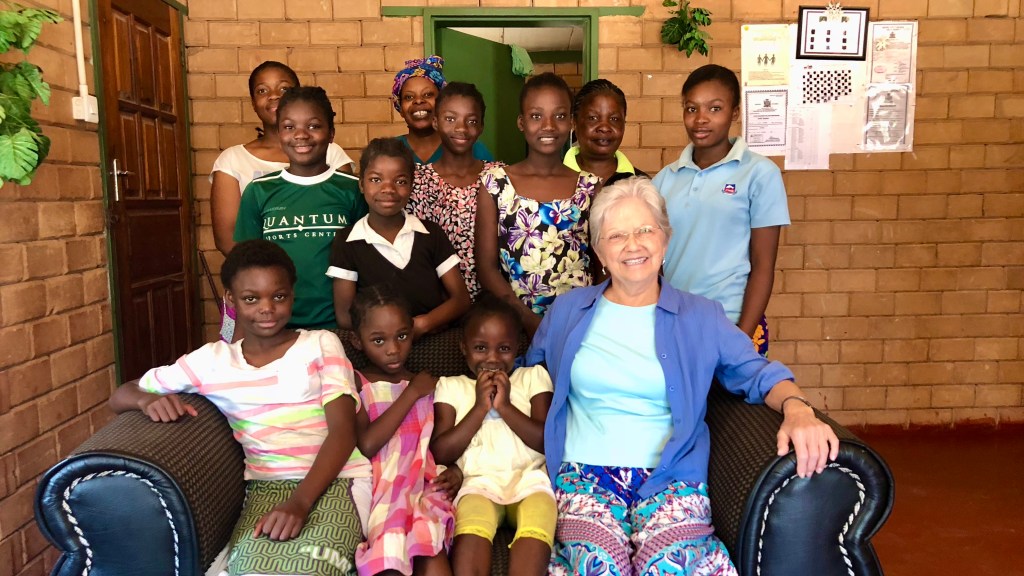
The orphan crisis in Africa is a complex and heartbreaking reality that demands our attention and action. With countries like Zambia facing staggering statistics – 27% of children orphaned and 75% of the population under 20 years old – it’s clear that we need effective, sustainable solutions. As someone deeply invested in this issue, I’d like to share four key principles that I believe should guide our approach to addressing the African orphan crisis.
1. Our answers must not violate Scripture
First and foremost, as Christians, we must ensure that our solutions align with biblical principles. The Bible consistently emphasizes God’s concern for orphans and our responsibility to care for them. James 1:27 reminds us that “pure and undefiled religion before God the Father is this: to visit orphans and widows in their affliction.”
This doesn’t mean we should limit ourselves to explicitly biblical models of care, but rather that our approaches should reflect God’s love, compassion, and justice. We must be careful not to exploit or neglect these vulnerable children in our efforts to help them.
2. Our answers must provide long-term solutions
While immediate action is often necessary, we must think beyond short-term fixes. I like to use the battlefield triage analogy: in an emergency, you do what you can to save lives but don’t continue to function that way long-term.
For instance, orphanages, while sometimes necessary, are not a traditional part of African culture and often fail to provide the family-like environment children need. Unfortunately, many orphanages in Africa have become money-making ventures driven by selfish agendas rather than the children’s best interests.
Instead, we should focus on solutions that strengthen families and communities. This might involve supporting extended families who take in orphans, developing community-based care programs, or working to address root causes of the orphan crisis such as HIV/AIDS and poverty.
3. A gospel focus must drive our answers – evangelization and discipleship
While meeting physical needs is crucial, we must pay attention to the spiritual needs. Our goal should be to point these children to Christ for their salvation and eternal destiny. This means integrating evangelism and discipleship into every aspect of our care programs.
However, this doesn’t mean we should only help Christian children or make aid conditional on conversion. Rather, we should let our actions be a testament to Christ’s love, creating opportunities to share the gospel naturally and respectfully.
4. Our answers must flow from the local church in Africa
The local African church has a vital role in addressing the orphan crisis. As Pastor Saidi Chishimba suggests, churches need to view orphans in their communities as a mission field, approaching them with the same vigor as other evangelistic efforts.
Chishimba suggests some ways the local church can engage:
– Encourage church families to open their homes to orphans
– Partner with existing orphanages and care programs
– Prioritize orphan ministry alongside other key church ministries
– Develop discipleship programs specifically for orphaned children
– Advocate for orphans’ needs within the broader community
By the local church taking the lead, we ensure our solutions are culturally appropriate and long-term sustainable.
Conclusion
Addressing the African orphan crisis is a daunting task. Still, we can make a significant difference with a biblically grounded, long-term focused, gospel-driven approach involving the local church. We must remember that each statistic represents a child created in God’s image, deserving of love, care, and the opportunity to thrive.
As we move forward, let’s commit to solutions that respect African culture while addressing the real needs of these children. This might mean supporting extended families, developing community-based care programs, or innovating new approaches combining traditional African values with modern resources and knowledge.
Ultimately, our goal should be to see these children not just survive but flourish – physically, emotionally, and spiritually. By working together – local churches and local communities together with churches around the world – we can provide hope and a future for Africa’s orphans.

 Zambia Hunt
Leave a comment