

As a missionary, you’ve answered a calling that’s both incredibly rewarding and intensely challenging. What many don’t realize is the sheer amount of stress that comes with the territory. Let’s dive into the realities of missionary stress and explore some practical ways to manage it.
The Stress Reality Check
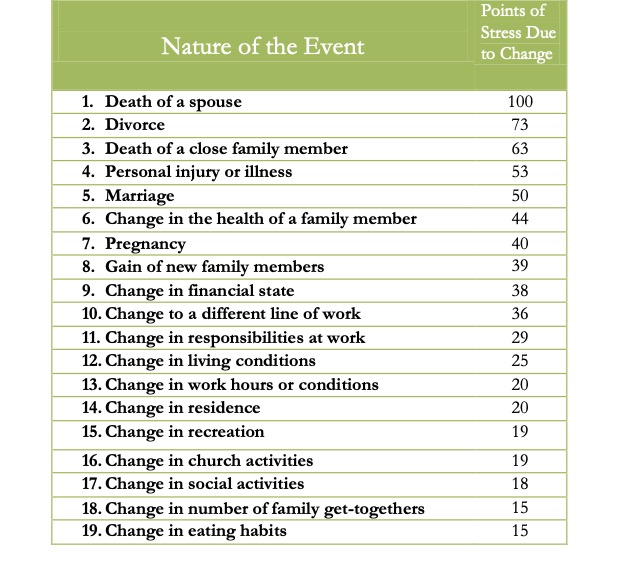
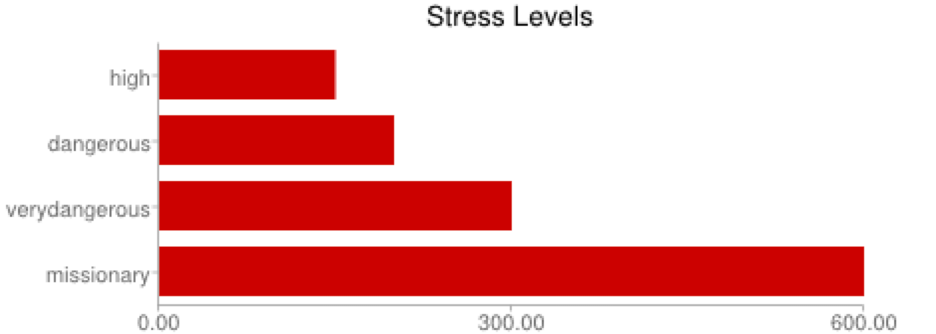
Imagine this: researchers have found that the average missionary experiences stress levels that would put most people in the hospital. We’re talking about sustained stress levels of 600 on a scale where 300 is considered dangerous (Refer to chart above). First-term missionaries? They can hit a mind-boggling 900! These numbers are more than just statistics – they represent real challenges that affect physical health, emotional well-being, and spiritual vitality (Dodds, as cited in “Just How Stressed are Missionaries”, 2012).
Understanding Culture Shock
What is culture? It is the ways of thinking, living, and behaving that define a people and underlie its achievements. It is a nation’s collective mind, its sense of right and wrong, the way it perceives reality, and its definition of self. Culture is the morals and habits a mother strives to instill in her children. It is the obligations we acknowledge toward our neighbors, our community, and our government. It is the worker’s dedication to craftsmanship and the owner’s acceptance of the responsibilities of stewardship. It is the standards we set and enforce for ourselves and for others: our definitions of duty, honor, and character. It is our collective conscience. “Winning the New Civil War”, Robert P. Dugan, Jr., p. 169
One major contributor to this stress is culture shock. It’s not just a buzzword; it’s a real phenomenon that unfolds in four stages (“Understanding and Managing Stress”, O’Donnell & O’Donnell, 1992):
- Tourist Stage: Everything’s new and exciting!
- Alien Stage: Reality hits, and frustration sets in.
- Acceptance Stage: You start to find your feet.
- Resident Stage: You’re finally feeling at home.
Recognizing these stages can help you navigate them more effectively.
So, How Do We Manage?
1. Embrace the Learning Curve
Remember, you’re not just there to teach; you’re there to learn. Approach each day with curiosity and openness.
2. Build Relationships
Connecting with locals isn’t just part of your mission; it’s a lifeline for your well-being. As one missionary noted, “Until I really bonded with the people (which took 6.5 years), I was always frustrated and had a desire to just go home” (“Culture Shock: Can I Go Home Now?”, n.d.).
3. Set Realistic Goals
Rome wasn’t built in a day, and cultural adaptation doesn’t happen overnight. Be patient with yourself.
4. Prioritize Spiritual Discipline
Maintain your spiritual disciplines of meditating on the Scripture, and prayer, get enough rest, and find ways to recharge that work in your new context.
5. Stay Connected
Keep in touch with family and friends back home, but also forge new connections in your host culture. Resist the temptation to retreat into the safe environment of your yard or house avoiding contact with local neighbors and friends.
6. Seek Support
Don’t hesitate to reach out to your sending organization or fellow missionaries when you need help.
For Friends and Supporters Back Home
If you’re supporting a missionary, your role is crucial. Here’s how you can help (adapted from “Just How Stressed are Missionaries”, 2012):
- Pray consistently for their adaptation, health, and ministry.
- Communicate regularly, showing genuine interest in their new life.
- Offer practical support where possible.
- Be patient and understanding, recognizing the effects of stress on communication.
A Word to Mission Organizations
Mission agencies play a vital role in missionary well-being. Providing comprehensive member care, offering pre-field training, and ensuring ongoing support are not just nice-to-haves; they’re essential for long-term missionary effectiveness (O’Donnell & O’Donnell, 1992).
The Big Picture
Yes, missionary life is stressful. But it’s also incredibly fulfilling. By acknowledging the challenges and actively working to manage stress, missionaries can not only survive but thrive in their calling.
Remember, taking care of yourself isn’t selfish – it’s stewardship. You’re managing the resources God has given you to fulfill His purposes. So take a deep breath, embrace the journey, and know that with the right support and strategies, you can navigate this stress maze and make a lasting impact in your host culture.
Your turn: What stress management techniques have you found helpful in cross-cultural situations? Share your experiences in the comments below!
References:
1. O’Donnell, K., & O’Donnell, M. (1992). Understanding and Managing Stress.
2. “Just How Stressed are Missionaries (and what can we do about it)?” (2012). Blog post by Jim.
3. “Culture Shock: Can I Go Home Now?” (n.d.). Unattributed document.




 Zambia Hunt
Leave a comment