
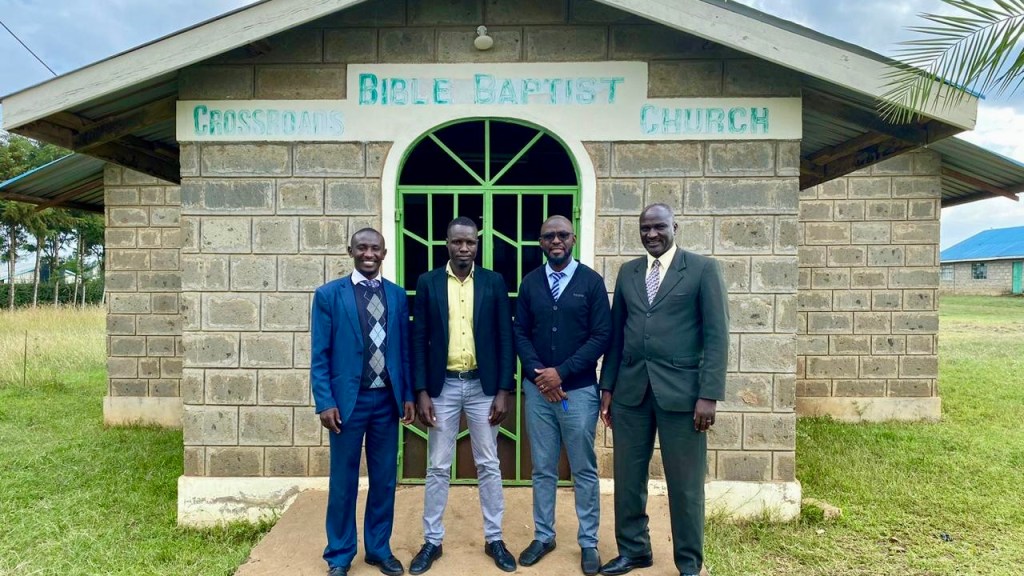
Introduction: Defining Church Planting in an African Context
Church planting, defined as initiating reproducing fellowships of believers that reflect the character and nature of God, is crucial in the African context. The church must be a cohesive entity, mirroring God’s character in a world that often feels alien. Evangelistic efforts must concentrate on building communities of believers, integrating individuals into a unified body of believers that embodies the character of Jesus Christ.
The Dangers of Neglecting New Converts
In the process of church planting, leaving new converts without a supportive gospel community is akin to parental neglect. Evangelistic efforts detached from a local church, or a group of people who are laboring to establish that church is counterproductive to generational gospel advance. This approach leads to believers who are members of Christ’s church in name but lack the capacity to live vibrantly for the Lord. It’s crucial to avoid the shortcut of leaving new converts without a fellowship, as this hinders their growth into effective, mature believers.
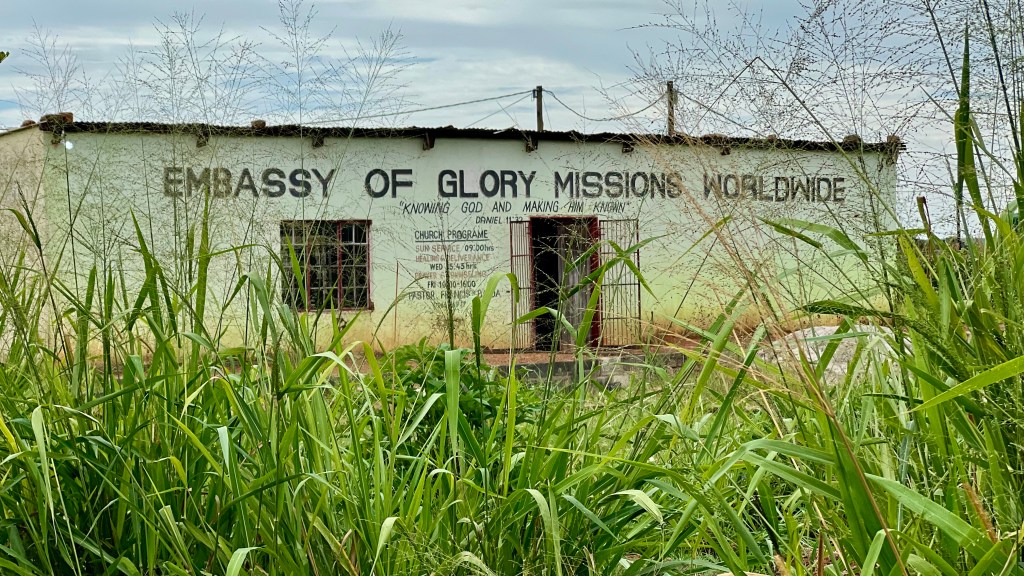
Three Pillars for Planting Strong Healthy Reproducing Churches
1. Initial Evangelism Leading to New Churches: The first step is evangelism that naturally leads to the establishment of new churches. It’s not just about winning souls but about planting new fellowships that can grow and multiply. This expected reproduction must exist in the very DNA of every new fellowship.
2. Nurturing Christians to Maturity: New believers must be nurtured within these churches, growing in their faith and understanding of a Christian worldview. This involves mentoring and modeling Christian disciplines within a loving gospel community.
3. Training Effective Leaders: Developing leaders who can evangelize, pastor, and train others is crucial. This includes formal classroom training, non-formal on-the-job training, and informal training using life activities as the basis for learning.
Guidelines for Effective Church Planting
1. Spiritual Orientation of Church Planting: Recognize church planting as a spiritual activity, an invasion into Satan’s territory with the aim of establishing God’s rule. This requires a strong foundation laid in prayer and fasting for wisdom and power.
2. Cultural Adaptation: The church must be a reflection of God’s presence, adaptable to various cultures without compromising biblical principles. Some missiologists are referring to this as a fourth “self” – self-theologizing. This requires understanding and applying the gospel within the cultural rather than imposing foreign religious cultural forms.
3. Communication within Cultural Contexts: Church planters must learn to communicate God’s message effectively within the cultural structures, understanding and utilizing the relationship networks that bind the community, such as kinship in Africa.
Nurturing New Christians: The Heart of Church Planting
Nurturing is akin to God’s care in various metaphors – the vinedresser, the physician, the parent. It involves building the body of Christ to withstand challenges and mentoring believers to live out Christ’s principles. Effective nurturing occurs within a loving community and is a continuous process, passing the baton of faith from one generation to another.
Addressing Urban and Rural Church Planting Challenges
Urban areas present unique challenges for church planting, including materialistic pursuits, disintegrating community structures, cultural complexity, and relativistic attitudes towards truth. To counter these challenges, church planters must:
1. Teach and Model Sacrifice: Demonstrating the value of spiritual over material wealth.
2. Provide Stable Community: Establishing a Christ-centered community that offers stability and support.
3. Articulate Christian Tenets Clearly: Communicating the core beliefs of Christianity clearly and effectively.
4. Establish Personal Relationships: Building relationships through which truth and support can be communicated.
Conclusion: The Mission Forward
The philosophy of church planting in Africa is about more than just establishing new churches. It’s a comprehensive approach that includes evangelism, nurturing new believers, and training leaders, all while adapting to cultural contexts and addressing specific urban and rural challenges. The goal is to create vibrant gospel communities that not only grow in number but also in spiritual depth, reflecting God’s character and advancing His fame on Earth.
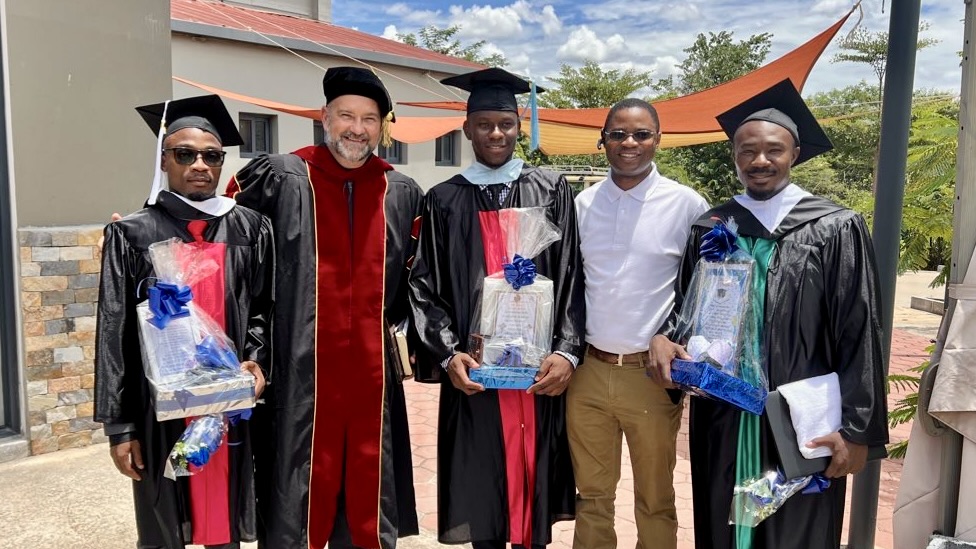



 Zambia Hunt
Leave a comment