
Here in Zambia there are many churches that are known for their politics. There is no line between politics and the pulpit. Political candidates campaign during Sunday worship services, and “the church” has an official voice on matters of politics through the recognized “Mother Bodies.” Self-annointed Apostles, along with denominational Bishops proclaim their blessings upon political candidates. Are there principles in Scripture that guide a Christian in these matters?
In October 2022, I attended a conference where Dr. Erwin Lutzer from the historic Moody Church in Chicago gave a talk entitled “The Pastor, Politics and the Pulpit.” Lutzer gave wise counsel regarding the role of pastors and churches in navigating the complexities of living in both the present world and preparing for the world to come. He emphasized the importance of a biblically driven approach that balances speaking truth to power without political endorsement. Lutzer outlined three types of churches when it comes to politics – compliant, complacent, and courageous – and advocated for preaching that addresses cultural realities while prioritizing the Gospel.
He warned against various theological dangers and encouraged pastors to speak on biblical matters that intersect with cultural and political issues. He concluded the session by stressing the importance of understanding spiritual warfare, recognizing the invisible spiritual realm behind worldly events, and emphasizing the power of prayer and repentance in confronting evil.
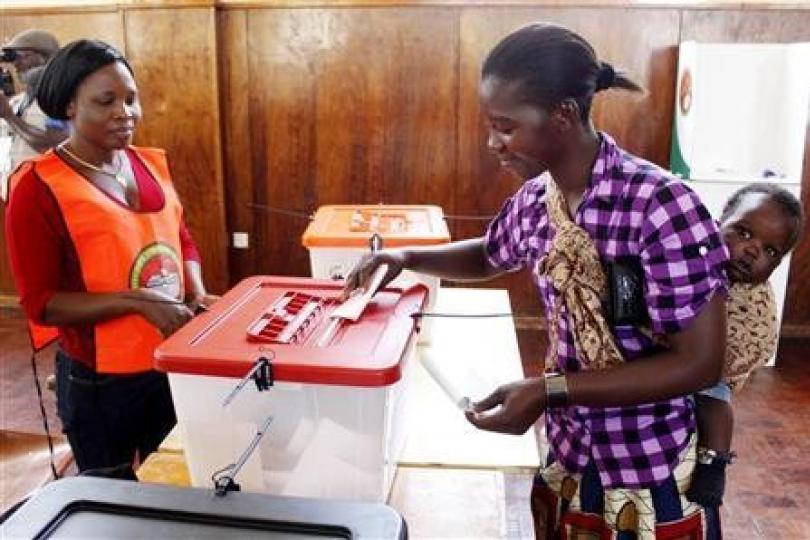
The Book of Proverbs, largely penned by King Solomon, offers insights into governance relevant to today’s complex political landscape. Solomon, writing to his sons—princes in training—sought to impart not just general wisdom but specific guidance on ruling a nation. In the Old Testament era, kings bore the weighty responsibility of charting a nation’s course, establishing moral standards, and ensuring law enforcement. Today, in our representative democracies, we, as citizens, share this responsibility.
The Apostle Paul reminds us in Romans 13:1-7 of the divine origin of government. As such, we have both the privilege and duty to elect officials who will govern righteously. This responsibility extends beyond the ballot box; when our leaders falter, we must actively work to influence change or replace them. God holds us accountable for the state of our nation, making it crucial that we carefully examine Proverbs’ teachings on the relationship between righteousness and ruling.
Proverbs consistently emphasizes that good government is, at its core, a godly government. This principle manifests in two key ways. First, righteousness in government benefits the governed. Proverbs 11:10-11, 14:34, and 29:2 all underscore that when righteousness prevails in leadership, the people prosper and rejoice. Conversely, when the government fails in its purpose, the people suffer. Second, righteousness benefits the government itself. God requires rulers to be righteous (Proverbs 16:2) because this leads to successful and stable administrations (Proverbs 20:28, 28:2, 28:16, 29:12,14).
Crucially, Proverbs teaches that good government depends on divine enablement. The tasks of government – promoting righteousness, justice, and equity – are humanly impossible without God’s wisdom. Proverbs 2:6-9, 8:15-16, and 28:5 emphasize the need for divine guidance in governance. While there’s wisdom in separating religious institutions from political office, we cannot separate righteousness from political leadership.
Solomon outlines several key characteristics of a righteous ruler. These include equity and impartiality (Proverbs 17:23, 18:5, 24:23-25, 31:4-5), concern for the vulnerable (Proverbs 28:16, 29:14, 31:8-9), a commitment to seeking truth (Proverbs 25:2, 28:5), and the courage to confront and punish evildoers for the protection of society (Proverbs 20:8, 24:25, 25:5,26). These qualities are as essential for today’s leaders as they were in Solomon’s time.
On the matter of justice and punishment, Proverbs offers clear guidance. It teaches that firm justice can benefit both the offender and society at large. Proverbs 19:19 suggests that consistent consequences leads to behavioral change. Moreover, just punishment serves as a deterrent to others (Proverbs 21:11). In cases of severe crimes like murder, Proverbs 28:17 indicates a solemn duty to carry out justice, albeit without pleasure or vengeful intent.
For Christians seeking to influence government, Proverbs offers practical wisdom. It teaches that influence comes through wisdom (Proverbs 14:35), competence (Proverbs 22:9), tact and patience (Proverbs 16:13, 22:11, 25:15), discretion in associations (Proverbs 24:21-22), and integrity in the face of power (Proverbs 23:1-3, 25:6-7). The examples of Daniel and Joseph – foreigners who gained significant influence through their godly wisdom – serve as examples (Dan. 1:17,19-20; Gen. 43:32; 46:34; 41:39).
As we conclude, several key principles emerge for Christian political engagement. First, we must recognize that godliness cannot be separated from good governance. Second, godly people should not shy away from political responsibility; rather, it’s God’s ideal that righteous individuals lead. Third, we must learn from Solomon’s own failures, remembering that even the wisest can fall if they don’t heed their own counsel. Fourth, political power must be viewed as a matter of stewardship and servanthood, not self-aggrandizement.
Ultimately, while God is more concerned with government’s function than its form, we recognize that all human governments will be imperfect due to the fallen nature of both rulers and ruled. The only truly ideal government is the future rule of Christ. Until then, Proverbs 21:1 reminds us that God remains sovereign over all earthly authorities.
As we engage in politics, let us seek wisdom from God’s Word, strive for righteousness in our actions and choices, and look forward to the day when Christ will establish His perfect rule.




 Zambia Hunt
Leave a comment