

In recent years, a teaching known as the “health & prosperity gospel” has gained significant traction in many Christian circles in Africa. As local church leaders and members, it’s crucial to understand this doctrine and its implications for our churches. Let’s explore what the prosperity gospel teaches and how we can respond to it in our churches.
What is the Prosperity Gospel?
The prosperity gospel, also known as the Word Faith Movement, Faith Movement, or Health & Wealth Prosperity Teaching, asserts that God promises every believer financial prosperity and perfect health. This doctrine argues that anything less than prosperity and perfect health is not God’s will for His people.
At its core, this teaching focuses on how believers can obtain what they want from God, essentially positioning God as a servant to human desires rather than the sovereign Lord of all creation.
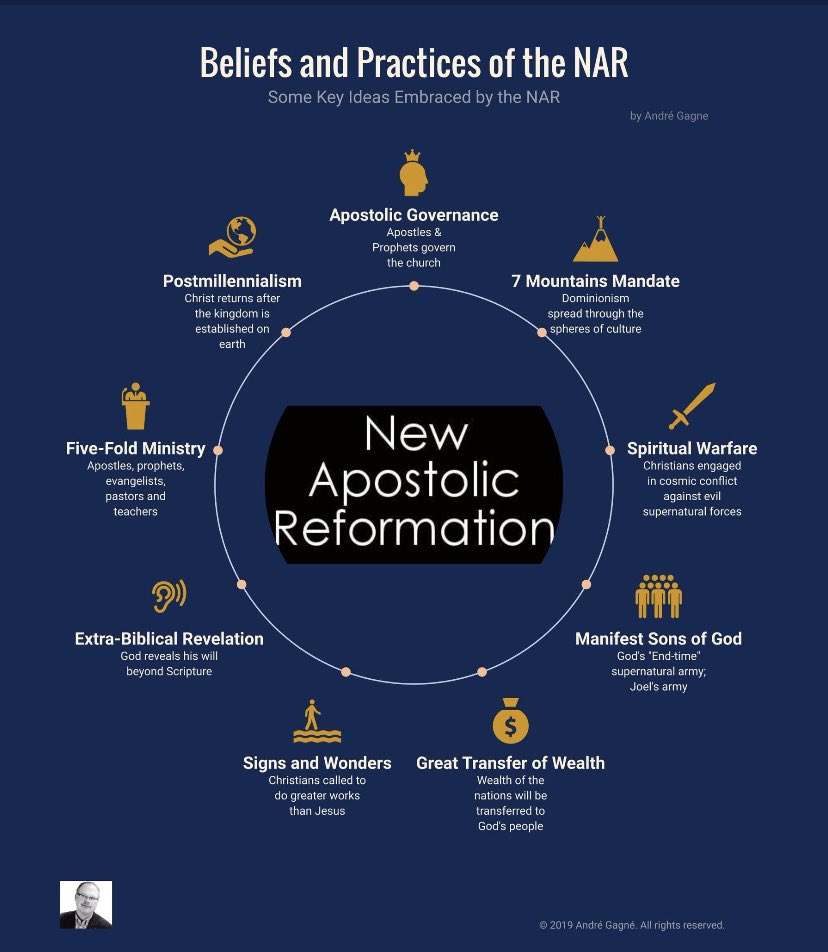
Key Teachings of the Prosperity Gospel
1. God and Believers
The prosperity gospel significantly alters the traditional understanding of God’s nature and His relationship with believers. It suggests that God is unable to act until believers “release” Him to do so, and that believers have dominion and creative power similar to God’s.
2. Jesus Christ
Some prosperity gospel teachers make claims about Jesus that deviate from traditional Christian theology. For example, some teach that Jesus gave up His deity and took on Satan’s nature to die for our sins, or that He was “born-again” in Hell as a sinner.
3. Faith and Positive Confession
In this movement, faith is often redefined as an impersonal law that rules the universe. The teaching emphasizes “positive confession,” asserting that words have creative power and that believers can speak things into existence.

Why It’s Appealing
The prosperity gospel can be particularly attractive in regions facing economic hardship. It resonates with many people because it links poverty to spiritual causes and promotes the idea that financial prosperity is God’s desire for every Christian.
How Local Churches Can Respond
Teach Sound Doctrine
As church leaders, we must prioritize teaching sound, biblically-based doctrine. Regularly preach and teach on God’s true nature, the person and work of Jesus Christ, and the biblical understanding of faith.
Suggestion: Develop a comprehensive teaching series on these fundamental doctrines. Consider offering classes or small group studies that delve deeper into these topics.
Address Financial Stewardship
While the prosperity gospel promises easy wealth, we should teach biblical principles of financial stewardship. This includes the importance of work, wise financial management, and generosity.
Suggestion: Offer financial management courses or workshops in your church. Partner with Christian financial advisors to provide guidance to your congregation.
Emphasize God’s Sovereignty and Provision
Teach that while God does provide for His children, His provision may not always align with our desires. Emphasize that God’s ultimate concern is our spiritual growth and eternal well-being, not just our material comfort.
Suggestion: Share testimonies from church members about God’s provision in various forms, not just financial. This can help broaden the congregation’s understanding of how God works in our lives.
Foster a Service-Oriented Mindset
The prosperity gospel often focuses on personal gain. Counter this by promoting a culture of service and sacrifice in your church.
Suggestion: Regularly organize community service projects. Encourage members to use their gifts and resources to serve others, both within and outside the church.
Provide Support for Those Struggling
Create a supportive environment for those facing financial difficulties or health issues. This practical demonstration of love can be more powerful than promises of instant prosperity.
Suggestion: Establish a benevolence fund to assist church members in need. Organize prayer and support groups for those dealing with chronic illnesses.
Encourage Critical Thinking
Teach your congregation to approach all teachings with discernment, always comparing them to Scripture.
Suggestion: Hold Bible study sessions that focus on developing skills in biblical interpretation and discernment.
Conclusion
As local churches, our role is to guide our members toward a biblically sound understanding of God, faith, and Christian living. While the prosperity gospel may seem appealing, especially to those facing hardship, we must remember that our ultimate promise as believers is not earthly riches, but the richness of a relationship with God and the assurance of eternal life through Jesus Christ.
Let’s focus on cultivating churches that pursue God’s will, serve others sacrificially, and trust in God’s provision and purposes, even amidst challenges. In doing so, we’ll build healthy churches that truly reflect the heart of the Gospel.




 Zambia Hunt
Leave a comment