
Here in Zamiba, one of the more famous Pentacostal pastors is Nevers Mumba. He founded Victory Ministries in Kitwe in 1980 at the age of 20. I listened to some of the gospel messages that Mumba preached in the early 1990’s, and it was a simple, compelling clear gospel explanation. But that is no more. After entering politics Mumba continued to morph in his theological views as did many of the Pentacostal pastors from that generation, until it seems he has fully embrace the health and prosperity theology.
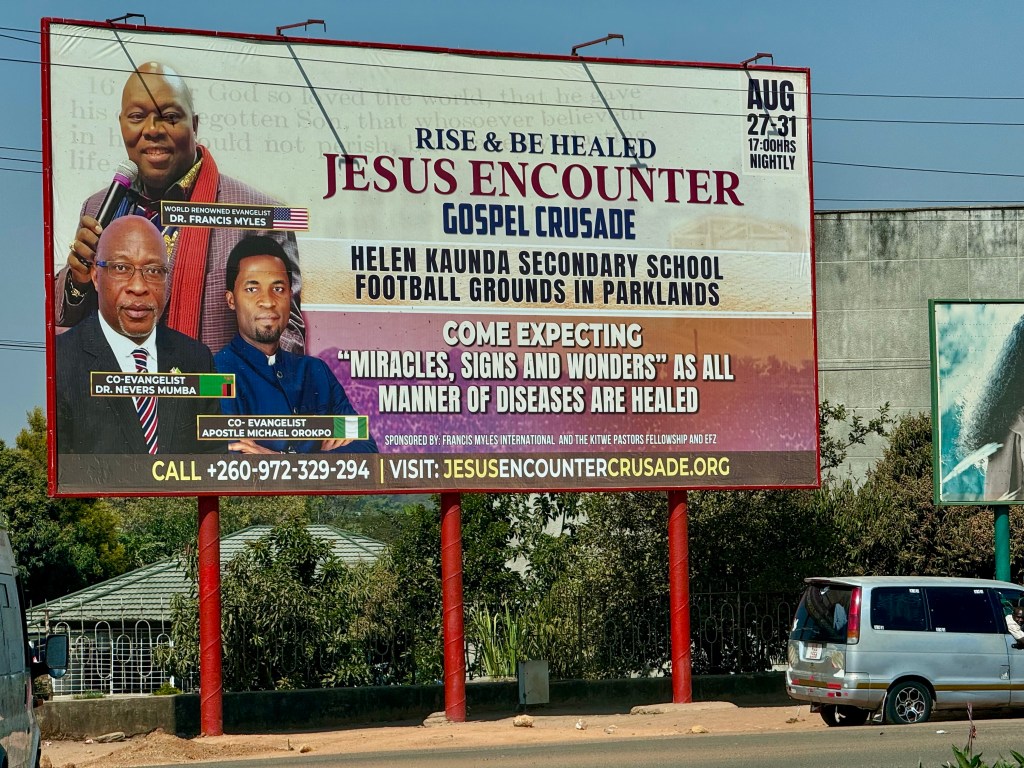
The Pentecostal-Charismatic movement has experienced remarkable growth and popularity across Africa in recent decades. This phenomenon can be attributed to several key factors that resonate deeply with African cultural and spiritual traditions. By examining these elements, we can better understand the movement’s widespread appeal and its significant impact on African Christianity.
I. The Holistic View of Life
One of the primary attractions of the Charismatic movement in Africa is its holistic approach to spirituality and healing. This perspective aligns closely with traditional African worldviews, which see no dichotomy between the physical and the spiritual realms.
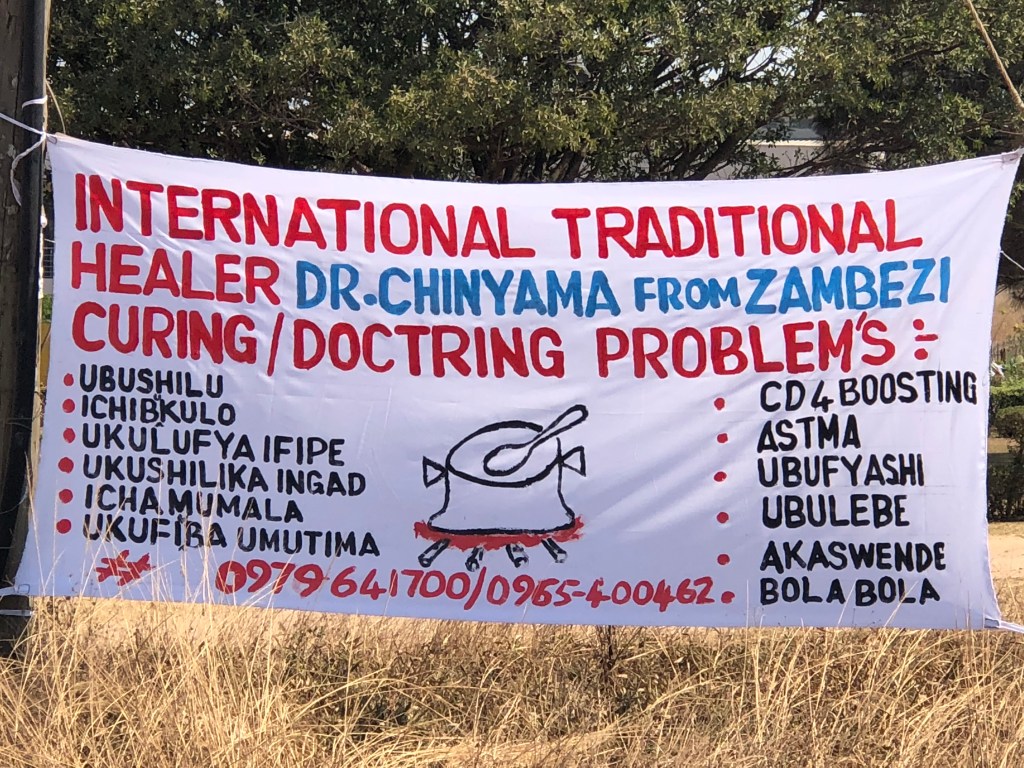
African communities have long been health-oriented, with traditional religions centered around rituals for healing and protection. In these cultures, the traditional doctor or spiritist was often consulted to address physical ailments or misfortunes at a spiritual level. This integrated approach to wellness is deeply ingrained in African thought and practice.
The Pentecostal movement’s emphasis on healing was immediately and overwhelmingly received in Africa precisely because it offered a similar holistic approach. In Pentecostalism, the “person of God” is believed to have the power to heal the sick, ward off evil spirits, and counter sorcery – functions that closely mirror those of traditional spiritual specialists.
This restoration of a holistic function in Christianity, which does not separate the physical from the spiritual, has been a major draw for African converts. It provides a familiar framework for understanding and addressing life’s challenges, making the Charismatic movement feel more culturally relevant and accessible.
II. Immediate Personal Experience
Another significant factor in the movement’s appeal is its emphasis on immediate, personal experiences of God’s power through the Holy Spirit. This focus aligns well with African cultural thought, which often prioritizes the personal and immediate over the abstract or distant future.
In many African cultures, life is experienced primarily in the present tense, with less emphasis on long-term planning. The Pentecostal emphasis on direct, personal encounters with the divine resonates strongly with this cultural preference. It offers immediate solutions for felt needs – such as sickness, fear of evil spirits, and poverty – rather than abstract theological concepts.
This immediacy is particularly attractive because it provides tangible spiritual experiences and practical answers to life’s challenges. The shared experience and practice of the faith, rather than adherence to specific doctrines, become the common denominator for acceptance within the community.
Moreover, the movement’s recognition of charismatic leadership and indigenous church patterns has allowed for the emergence of local leaders who understand and can address the specific needs and concerns of their communities.
III. Freedom in the Spirit
The concept of “Freedom in the Spirit” has enabled the Pentecostal/Charismatic movement to be extremely flexible in different cultural and social contexts across Africa. As Harvey Cox noted, “The great strength of the ‘Pentecostal impulse’ lies in its power to combine, its aptitude for the language, the music, the cultural artifacts, the religious imagery… of the setting in which it lives.”
This adaptability stands in stark contrast to many older missionary churches, which often arose in the context of set liturgies, theologies, highly educated clergy, and centralized control structures. The rigidity of these institutions led many Africans to view them as “foreign churches.”
In contrast, the Charismatic movement’s flexibility has allowed it to incorporate local languages, music, and cultural elements more readily. This adaptability has made the movement feel more authentically African to many followers, contributing significantly to its rapid growth and widespread acceptance.
IV. Key Doctrines of the African Pentecostal/Charismatic Movement
Healing
The emphasis on divine healing is a central doctrine that has contributed greatly to the movement’s popularity in Africa. Pentecostals understand that when the Word of God is preached in evangelism, signs and wonders – particularly divine healing – often accompany it.
This understanding aligns well with traditional African cultural beliefs about the spiritual causes of physical ailments. The Pentecostal message states that Christ’s sacrifice on the cross purchased not only spiritual salvation but also physical “salvation” from sickness and disease. This concept resonates strongly with traditional African beliefs about the interconnectedness of spiritual and physical well-being.
In many Pentecostal circles, physical sickness is often attributed to attacks by evil spirits or demons. Living with illness may be seen as a lack of understanding of Scripture or a lack of faith. This perspective provides a familiar framework for understanding and addressing health issues, making the movement’s approach to healing particularly attractive to many Africans.
Prophecy
Another key attraction is the role of prophets in the Charismatic movement. African prophets are seen as continuing in the biblical prophetic tradition of the Old Testament, providing an alternative to traditional diviners.
These prophets are valued for their ability to reveal God’s will from the Scriptures and dispense God’s power through His Spirit to meet human needs. They become agents of salvation – not just in a spiritual sense but also in terms of providing relief from pain, fear, and suffering.
In older Pentecostal churches, there was often a dominant prophetic personality who served as a custodian of spiritual power. In newer indigenous churches, however, the emphasis has shifted. Through the baptism of the Spirit, every believer is seen as a potential custodian of this power, able to prophesy and speak “a word from the Lord” through dreams or visions.
Prosperity
The prosperity gospel has found fertile ground in Africa, particularly in the context of widespread poverty. This doctrine declares that financial prosperity is God’s desire for every Christian and the right of every believer.
The message that poverty has a spiritual cause and that a “spirit of poverty” must be cast out resonates with many young, educated, and professional Africans. It aligns with broader societal aspirations for economic empowerment and self-reliance.
For example, in the Zimbabwe Assemblies of God of Africa (ZAOGA), the prosperity message echoes ideas of self-reliance, Indigenous business, and black empowerment promoted by the ruling party and state media. This alignment with broader social and economic goals has contributed to the popularity of the prosperity gospel within the Charismatic movement.
Conclusion:
While the Pentecostal and Charismatic movement has seen remarkable growth in Africa due to its ability to address deeply held cultural beliefs and pressing spiritual and material needs, it is crucial to approach these teachings with caution and discernment. Many aspects of this movement, particularly in its African manifestations, raise significant concerns when compared to the doctrines of Scripture.
While appealing, the emphasis on immediate, tangible experiences of the divine overshadows the importance of sound biblical teaching and discipleship. The focus on physical healing as a guaranteed outcome of faith may lead to disappointment and a crisis of faith when healing doesn’t occur, potentially misrepresenting God’s sovereignty and the reality of suffering in the Christian life.
The prosperity gospel, in particular, is a doctrine that is at odds with Scripture. While the Bible does speak about God’s provision, it does not promise material wealth to all believers. This teaching can lead to a transactional view of faith and may exploit the vulnerable.
The elevation of modern-day prophets to a status similar to Old Testament prophets is also problematic. It can lead to an overreliance on individual charismatic leaders and their purported revelations, sidelining the authority of Scripture.
Furthermore, the blending of traditional African religious practices with Christianity while making the faith feel more culturally relevant runs the risk of syncretism – the mixing of different religious beliefs and practices in a way that may compromise core Christian doctrines.
Therefore, while acknowledging the movement’s significant impact on African Christianity, it is essential for believers to be on guard against teachings that do not align with Scripture. Christians are called to test all things against the Word of God (1 Thessalonians 5:21) and to be discerning about the doctrines they embrace.
As the movement continues to shape the African religious landscape, it is crucial for church leaders, theologians, and individual believers to engage in careful biblical study and thoughtful critique. This will help ensure that the expression of Christianity in Africa remains true to the gospel while meaningfully addressing real cultural and spiritual needs.
(I am indebted to numerous online articles and personal correspondence with Dr. Allen Anderson who studied and wrote on this subject extensively with much of his research taking place in South Africa.)



 Zambia Hunt
Leave a comment