
In an era where the world is more connected than ever, the role of the local church in global missions has never been more crucial. This is especially true for churches in Africa, where there’s a growing need to shift from being mere recipients of missionary efforts to becoming active participants in the Great Commission. Today, we’ll explore how African churches can embrace a global mindset and effectively engage in missions work.
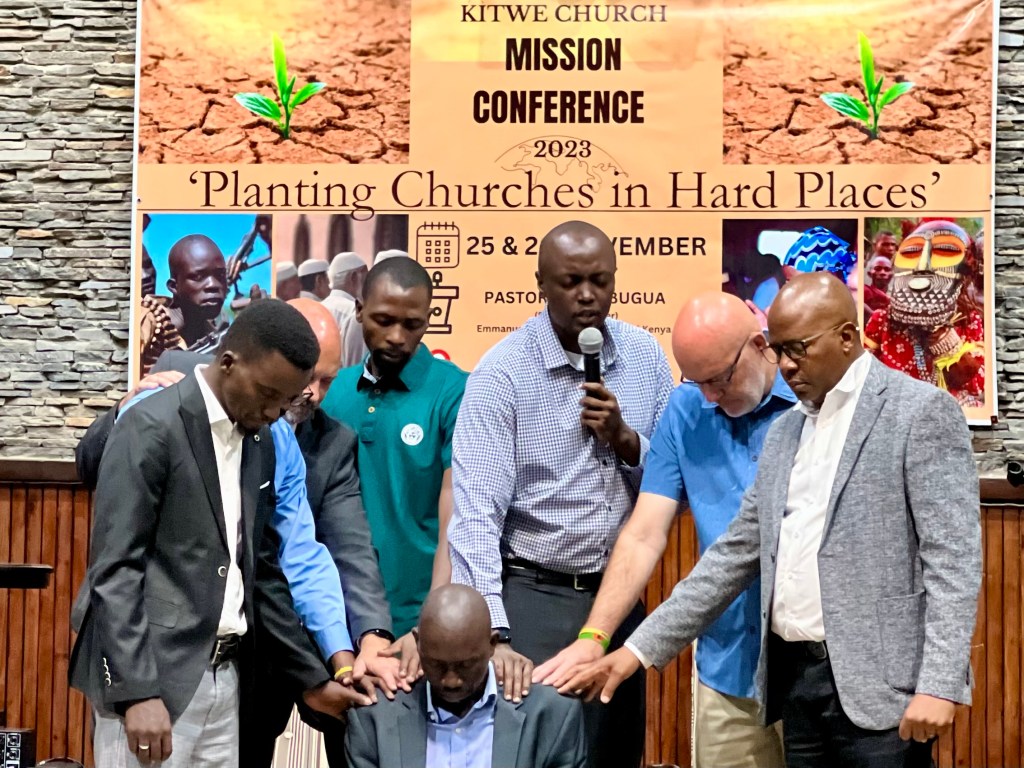
Understanding the Mission: Key Questions for Pastors
Before diving into strategies, it’s essential for church leaders to assess their current approach to missions. Ask yourself:
- Do my church members share a common understanding of what missions means?
- Do my church members know how to be involved in missions?
- How often do I personally promote missions in my church?
These questions serve as a starting point for developing a missions-focused congregation.
Developing a Missions Strategy
Supporting missions demands intentional strategy and leadership. Here are some key steps:
- Define missions clearly: If everything is missions, nothing is.
- Teach regularly: Intentionally and repeatedly educate your church about missions.
- Keep missions visible: Find ways to keep missions in front of your congregation every week.
- Teach about giving: Help your church understand the importance of financial support for missions.
- Establish accountability: Develop a strategy for collecting and distributing funds.
- Share progress: Regularly update the congregation on both needs and accomplishments.
Changing Perspectives
Many African churches view missions as something “Western” churches do. This mindset needs to change. As one pastor noted:
“The real disease is that church leadership rarely challenges the church membership to see the work of missions as of the very warp and woof of a church’s existence. It is seen as the optional extra for the extraordinary churches to do.” – Conrad Mbewe
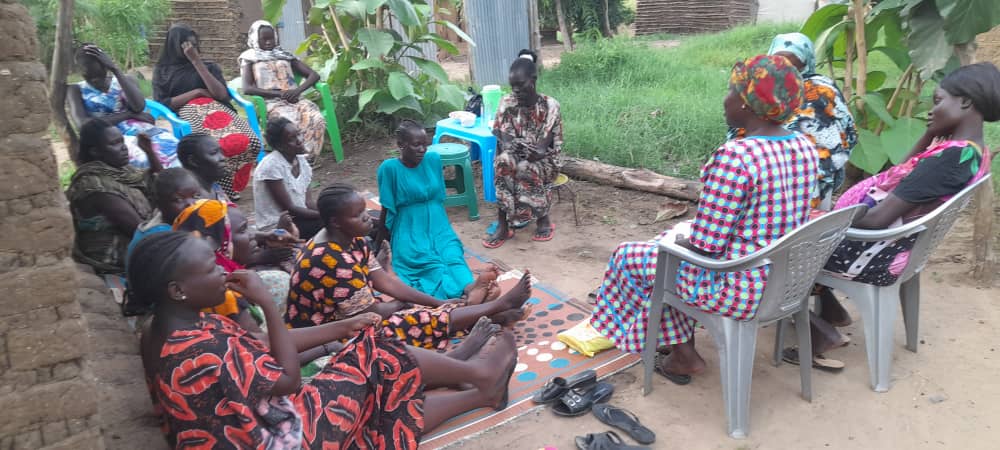
Funding Missions Work in Africa
To maximize your church’s potential in making disciples of all nations, consider these principles:
- Embrace the Great Commission as a local church mandate.
- Dispel the notion that missions is something done to us by the West.
- Challenge the idea that comparative “poverty” exempts us from missions work.
- Recognize that the Great Commission applies to all disciples of Jesus.
- Understand that “all nations” include people groups beyond our immediate context.
- View missions as an act of worship that honors God’s sovereign purpose.
- Believe in your church’s ability to reach beyond cultural and geographical boundaries.
Mobilizing Your Church
Effective mission work requires mobilization at all levels:
- Build a global vision in your congregation.
- Educate, equip, and empower your people to make disciples.
- Integrate world evangelism into all church ministries.
- Ensure the senior pastor is fully engaged in the missions vision.
- Encourage growth through challenging people to share resources.
- Maintain strong leadership to keep an others-centered focus.
- Invest in high-quality missions efforts.
- Use missions trips as catalysts for catching a vision for involvement.
- Develop crucial partnerships for healthy missions expansion.
Understanding the Scope of Missions
Missions involves more than just “going.” It includes:
- Prayer: For missionaries, unreached people groups, local outreaches, and persecuted Christians.
- Education: On biblical worldview, the spiritual status of nations, and stewardship.
- Personal involvement: Through local outreach, missions conferences, and youth trips.
- Sending: Recognizing the value of sending your best people to serve in other fields.
- Intentional evangelism: Focusing on delivering the gospel, not just meeting physical needs.
- Financial prioritization: Continually increasing giving to world evangelism.
- Innovation: Developing unique approaches that engage church members.
- Collaboration: Helping other churches and participating in missions conferences.
- Organization: Developing and communicating a clear missions policy.
Becoming “Rope Holders”
Drawing inspiration from William Carey’s analogy of missions as “going down into the mine” while others hold the rope, here are practical steps to mobilize your church:
- Host an annual missions conference as your biggest event of the year.
- Allocate a percentage of weekly income directly to missions.
- Challenge members to give above their tithes through missions pledges.
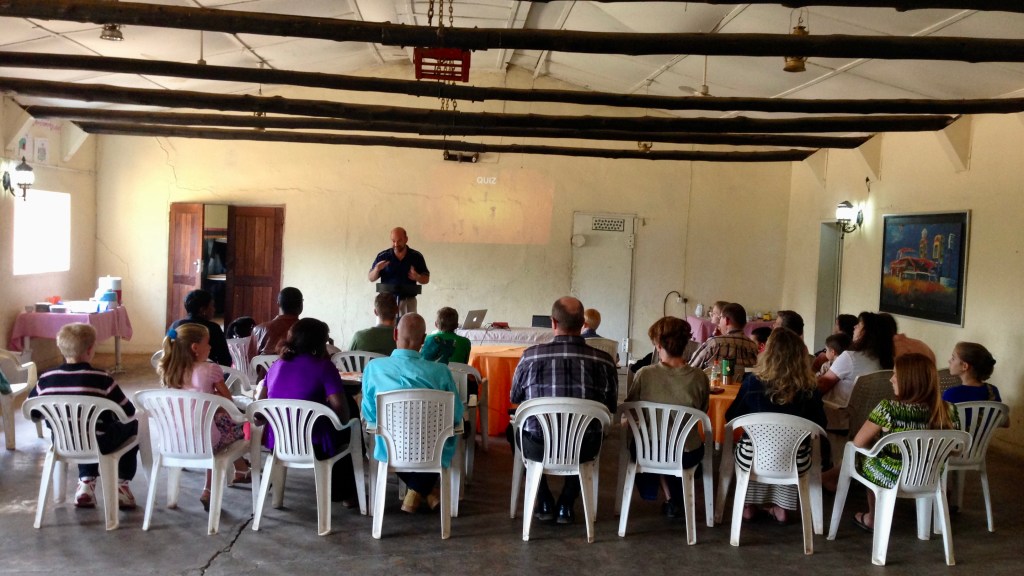
- Regularly host missionaries to share their work.
- Send church leaders to visit mission fields and report back.
- Organize trips for congregation members to assist missionaries.
Remember, as David Platt said, “Do not underestimate what God can do when the church is sending and workers are going to people who need the gospel.”
Conclusion
Building global-minded churches in Africa is not just possible; it’s essential. By embracing these principles and strategies, African churches can play a pivotal role in fulfilling the Great Commission. It will require risk, sacrifice, and faith, but the potential impact is immeasurable. Let’s step out in obedience to our Master’s call, trusting that He will do more through our efforts than we could ever imagine.

 Zambia Hunt
Leave a comment