
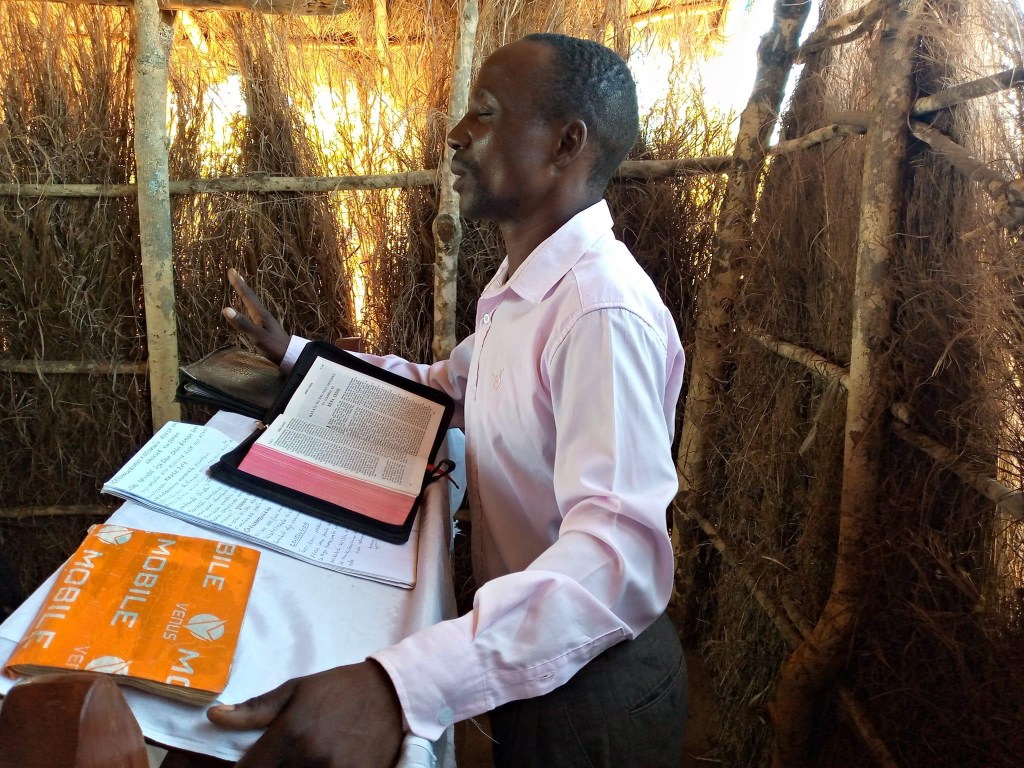
Stewardship is the process of being responsible for someone else’s property while it is entrusted to you. In Scripture, the Theology of Stewardship is the recognition and faithful management of God’s gifts, including time, talents, and treasures, to advance God’s kingdom and serve others.
Paul viewed himself not as a great Apostle, and not in terms of his educational achievements, which were significant, but with, “This is how one should regard us, as servants of Christ and stewards of the mysteries of God. (1 Co 4:1).
Stewardship is a significant theme woven throughout the Scriptures, from the Old Testament to the New. The concept of stewardship is a fundamental doctrine in Christian theology, particularly when it comes to the stewardship of the gospel. In Acts 20:18-35 we find an instructive discourse between the Apostle Paul and the Ephesian Elders that provides invaluable insights into what it means to be a faithful steward of the gospel. We discover that stewardship demands a deep understanding of the gospel, a commitment to proclaim it, a determination to protect it, and a life that reflects its transformative power.
To be an effective steward of the gospel, we must first have a thorough grasp of its content. It is at this point that many ministers fall short. It is startling how many pastors and teachers in local churches in Zambia, when asked for an explanation of the gospel, fail to give even a simple biblical answer! If the very men who have taken up the responsibility to pastor a flock do not understand the gospel, then we have failed before we even begin.
Paul emphasizes that this gospel stewardship comes directly from Jesus Christ (Acts 20:24) and encompasses repentance toward God and faith in our Lord Jesus Christ (Acts 20:21). It’s crucial to recognize that the gospel comes by the grace of God (Acts 20:24, 32; Ephesians 2:8). As Oswald Chambers beautifully articulated, our salvation is not based on our actions, but on Christ’s work. Our repentance and faith are responses to God’s initiative, not the cause of our salvation. We must view this stewardship of the gospel as a lifelong journey – a marathon, not a sprint. As Hebrews 12:1-2 encourages us, we are to “run with endurance the race that is set before us, looking to Jesus.”
Stewardship of the gospel fundamentally involves active proclamation. Paul’s example in Acts 20 gives us several key principles for this proclamation. Our attitude should be one of humility and empathy (Acts 20:19), serving diligently and persevering through trials. We should value the mission above our personal lives (Acts 20:24). In terms of method, we should proclaim the gospel both publicly and privately, house-to-house (Acts 20:20), and to everyone regardless of their background (Acts 20:21). The scope of our proclamation should be comprehensive, including “the whole counsel of God” (Acts 20:27).
However, gospel stewardship doesn’t stop at the proclamation. It also involves protecting and defending the integrity of the gospel message. We must guard against religious predators (Acts 20:28-29; Matthew 7:15) and be alert to twisted doctrines that may arise even from within the church (Acts 20:30). This requires continuous admonishment and teaching (Acts 20:31). While we do our part, we must also commend others to God and rely on “the word of His grace” (Acts 20:32). As 1 Peter 1:3-5 reminds us, it is God who ultimately guards His people through faith for the salvation ready to be revealed in the last time.
Finally, true stewardship of the gospel is demonstrated by a life transformed by its message. Paul’s example shows us the importance of financial integrity (Acts 20:33), hard work (Acts 20:34), helping the weak, and practicing generosity (Acts 20:35). These practical expressions of faith serve to adorn the gospel and make it attractive to others.

Applying these principles in our lives requires regular self-examination of our humility and dedication to serving God. We should challenge ourselves to share the gospel message boldly in our daily interactions. It’s crucial to consider how we prioritize our calling versus our personal comfort or safety. We must cultivate a deep trust in God’s grace, relying on His word for both evangelism and discipleship.
In our material lives, we should examine our attitudes toward money and possessions, ensuring they reflect faithful gospel stewardship. We can use our skills and work ethic to provide for ourselves while doing ministry, support others, and leverage our gifts for ministry. Looking for opportunities to help those in need and practicing giving should be a regular part of our lives.
For those in leadership roles, there’s an added responsibility to care for and protect those under our charge. We should also consider how we can prepare others to continue faithful service in our absence, recognizing that our individual ministries are part of God’s larger, ongoing work.
Stewardship of the gospel is indeed a high calling that demands our full commitment. It requires a deep understanding of the message, a willingness to proclaim it boldly, a commitment to protect its integrity, and a life that reflects its transforming power. As we strive to be faithful stewards, may we, like Paul, be able to say, “I have fought the good fight, I have finished the race, I have kept the faith” (2 Timothy 4:7). Let us embrace this gospel stewardship with humility, perseverance, and joy, knowing that our labor in the Lord is not in vain (1 Corinthians 15:58).




 Zambia Hunt
Leave a comment