
Many places I visit have a distorted view of missions from the West. Western entities provide money and expertise, while local people rely on these resources to move from one failed ministry project attempt to another. One of the core issues driving this is the absence of strong, biblical, reproducing local churches with a biblical theology of missions. This can be seen clearly across the continent in every country you visit.
Here are three of the challenges Churches and church leaders face in Africa result in the fourth result:
- A lack of the Priority of Doctrine – Minimizing doctrine and embracing experience.
- A distorted view of the purpose and mission of the church.
- A lack of qualified, trained leadership – both in terms of biblical qualifications and church leadership skills.
- An un-discipled, un-trained membership.
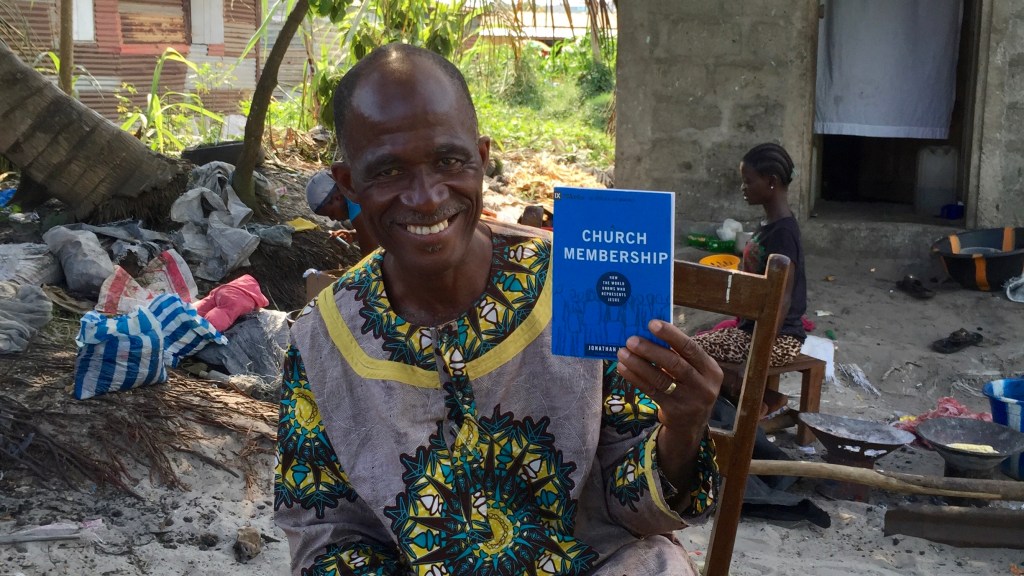
On a visit I made some years ago to Liberia, I asked my host, a local Liberian pastor, to identify what he views as the problem of churches in the country. This brother replied, “Missionaries trained and sent out men to plant churches, but most failed due to lack of self-support.” He views the problem in Liberia not as a failed philosophy of church planting, a cultural expectation of foreign aid, or the missionaries’ approach to the work that accommodated the dependency but as the inability of local men sent to pastor or plant churches to sustain themselves financially.
My host proposed a Bible school that teaches trades like carpentry and mechanics, enabling church planters to have a fallback occupation. There is perhaps validity to such training, but as he explained his views, I wondered why nothing was being said about disciplining converts to be faithful stewards of what God had entrusted to them.
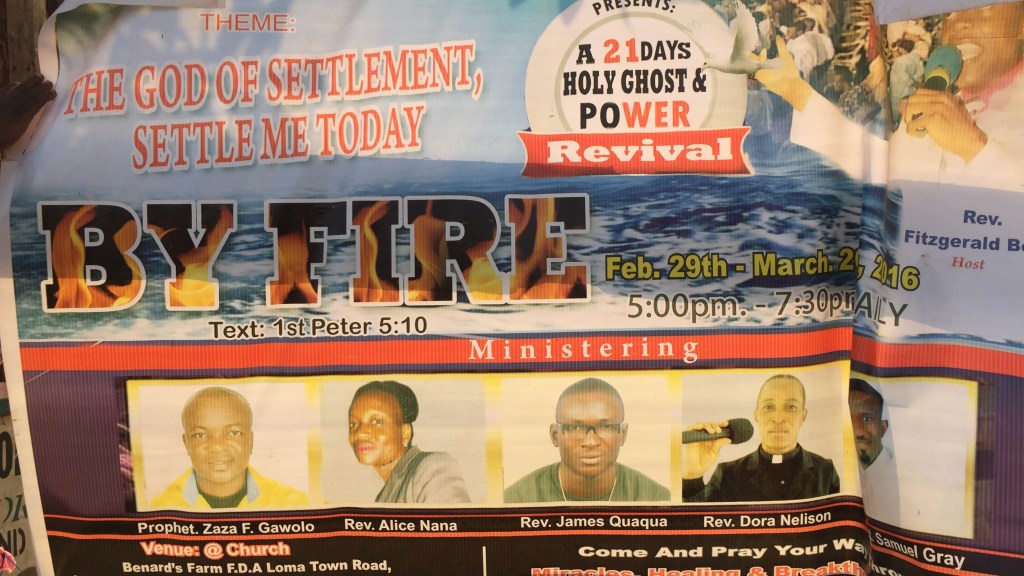
Everywhere I turned in Monrovia, I saw large posters advertising prosperity crusades. For decades, Liberia has drowned in government foreign aid from America. At one time, Liberia received the most foreign aid from the United States of any African country. According to the 2010 Human Rights Report, Liberia is one of the most corrupt nations on earth. Liberia is also a favorite place for Christian charities and local church partnerships with local ministries and ministers. With the history of funding and all the Christian funds pouring into Liberia, one would expect that the local church would be pulling out of poverty. Yet throughout my trip, the only churches that seemed to be thriving financially were the prosperity gospel churches.
Why? Could the motivation for personal benefit, especially in gaining personal wealth, point us to the answer?
My host’s perspective reveals a broader issue extending beyond Liberia: the local church’s role is not central in the thinking of those who lead her. Missionaries often struggle to establish healthy, reproducing churches. Instead of churches sending out church-planters, missionaries assume this role and become the senders and sponsors of the work. They act on behalf of and support leaders who never fully grasp or embrace the Great Commission.
This approach seeks solutions outside Scripture to address church planting challenges. There’s a fundamental flaw that needs to be addressed. We must return to basics and implement biblical methods driven by biblical theology and philosophy. While challenging, it may sometimes be necessary to bypass a generation of current churches and initiate a biblical church-planting effort that lays a new foundation. This will require time, dedication, and a clear understanding of biblical missions.


 Zambia Hunt
Leave a comment