
And how will we know when we have achieved it?
INTRODUCTION
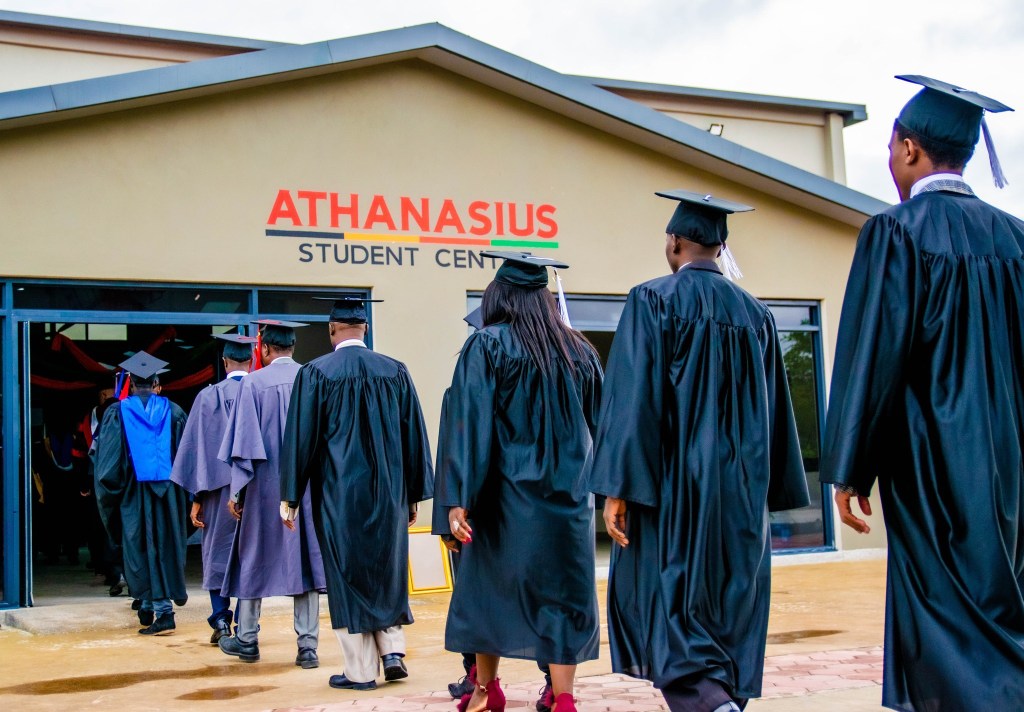
Central Africa Baptist University (CABU) seeks to embody biblical principles for indigenous ministry. This is our attempt to explain what we view as critical indicators of indigenous ministry success at CABU. We want to define a vision for an indigenous CABU where the mission is deeply embedded in the hearts of the university community, partnerships are forged on trust and mutual respect, and leaders are the best qualified to advance the Great Commission. CABU must achieve indigeneity in its ministry, guided by a purpose-driven approach to serving, equipping, and empowering the next generation of servant-leaders in Africa.
UNDERSTANDING THE TERM
Definition of Indigenous: To produce something that is native, not exotic. INDIG’ENOUS, a. [L. indigena, supra.]
1. Native; born in a country; applied to persons.
2. Native; produced naturally in a country or climate; not exotic; applied to vegetables. (Websters Dictionary 1828 – Webster’s Dictionary 1828 – Indigenous. https://webstersdictionary1828.com/Dictionary/indigenous)
Indigenous is Fluid, Not Static – It Changes With Time & Generationally
The context is constantly changing; it is rarely static. The pace of technology and access to technology in the developing world are forcing changes in culture at an unprecedented rate. This change provides one of the most significant challenges to those committed to indigenous principles and philosophy of ministry.
Take, for example, the Manatee in Florida. A Manatee is an aquatic mammal with a rounded tail flipper that lives in shallow coastal waters and adjacent rivers of the tropical Atlantic. This unique water mammal is native to the West Indies and South America. Yet today, the Manatee is an unquestioned part of Florida’s culture and identity.
The gospel is an intruder into every culture and people group. It is the message of life for every person, in every generation, regardless of the background of those people.
What makes an indigenous work indigenous?
- A ministry is indigenous when local people view the work as their own.
- A ministry is indigenous when the people view the missionary as one who gathered and trained instead of gave and sustained.
- A ministry is indigenous when the people who are trusted, trained, and loved are in a place of dependence on God instead of outside sources (such as the West).
A BIBLICAL PERSPECTIVE
Viewing our calling to indigenous principles through the eyes of the Apostle Paul (Romans 10:1-21)
- He had an undeniable priority.
- He had an undying passion.
- He had an undiminishing prayer life.
- He had an understanding of people.
- He had an underlying purpose.
Note Paul’s terminology in relation to those He had served in the gospel:
- Fellow helpers
- Fellow laborers
- Beloved Brothers
- Saints
How, then are we to view those we serve with in a cross-cultural ministry:
- They are my brethren.
- I am not indispensable to God’s work in any particular place.
- Together, we learn to look to Christ for guidance and finances.
- We recognize that the Holy Spirit speaks to His disciples in any culture.
- We face harsh realities together, disciple and discipler.
- We set our disciples free to pursue God’s calling in a way that fits their context.
- Our relationships with one another are based on mutual respect and trust. In other words, we develop deep relationships with the assurance that our cross-cultural friends will never intentionally harm us. They have our back, and we have theirs, even though we may sometimes differ in conclusions or decisions. We question and challenge one another in the spirit of understanding and arriving at the best way of advancing the mission of CABC.
A FOUNDATION FOR OUR DEFINITION OF INDIGENOUS AT CABU
Our purpose
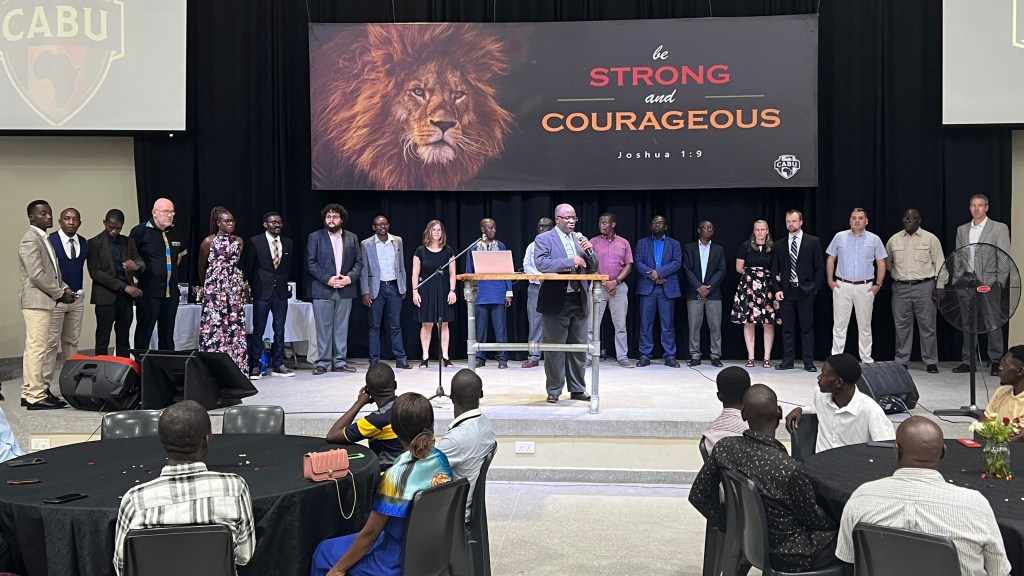
“Training the next generation of servant-leaders in Africa for Great Commission living,” must be the foundation and must drive the answer for any definition.
What does an Indigenous CABU look like?
- CABU is indigenous when the ownership of the university and seminary is solidly in the hearts of the faculty and staff, the various Boards, and the networks of local churches that form the constituency.
- CABU is indigenous when our partnerships are based upon trust and mutual respect, resulting in open and unhindered communication and ministry.
- CABU is indigenous when the best-qualified people serve in leadership positions as board members, faculty, and staff. To determine what is best, we must evaluate:
- Who is best positioned to implement the purpose of CABU effectively? (see purpose statement)
- Who is best positioned to carry out the Vision of CABU? (see vision statement)
- Who is best positioned to carry out the necessary levels of training, both in practical ministry experience and academic excellence? (see academic statement)
CABU INDIGENOUS STATEMENT:
CABU is indigenous when the University Board, administration, faculty, staff, and constituency own the vision and mission of CABU. Indigenous is when the best-qualified persons are serving the board, faculty, and staff because they own the vision, exhibit the gifts and skills necessary for the fulfillment of the mission, and are affirmed to be the best for the position through the prayerful consensus of those whom God has placed into leadership. For CABU, these persons may include board, faculty, and staff from Zambia, the ministry host nation; from other African constituent countries; and non-continental members (western). The university board and administration will prayerfully evaluate the international diversity of this group to determine what is best for the advancement of the mission of CABU.
CONCLUSION:
Achieving an indigenous ministry at Central Africa Baptist University (CABU) requires blending biblical principles, local ownership, and mutual respect with an undying commitment to the Great Commission. As CABU labors towards this vision, it is essential to remember that indigeneity is a process that evolves as the university and its community grow together in faith, knowledge, and service. Success in this endeavor will not merely be measured by the achievements of its faculty or the growth of its infrastructure but by the deep-rooted sense of belonging and purpose felt by every member of the CABU community. This will be evident when the mission of CABU becomes a living, breathing reality within the hearts and minds of those it serves—where every student, faculty member, and partner sees themselves as integral to CABU’s divine calling. An indigenous CABU will stand as a testimony of Christ’s love and an example of servant-leadership, leading the way for theological and ministry training for future generations in Africa and beyond.

 Zambia Hunt
Leave a comment